
 Impact
 Initiatives
 Dashboard
 Alliances
 Impact
 Initiatives
 Dashboard
 Alliances




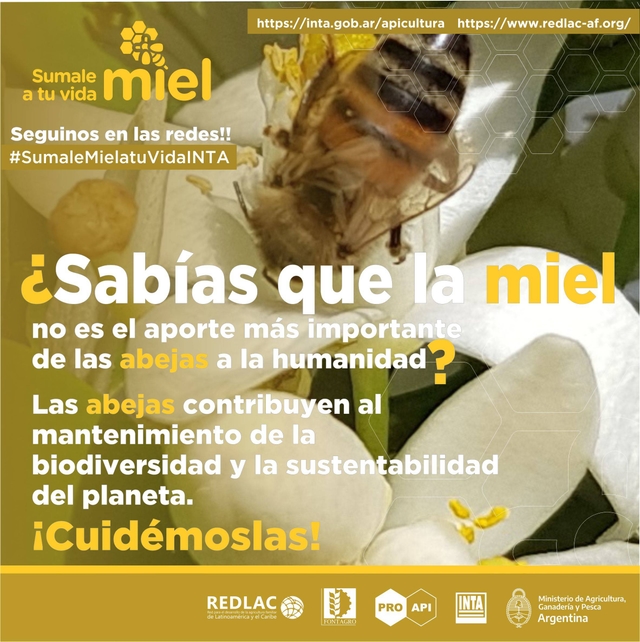
Learn more about this story
Project Webstory
Go to webstory




 Agronomic PracticesClimate changeAppliedTechnological-Organizational-Institutional
 2016
2016 Closed
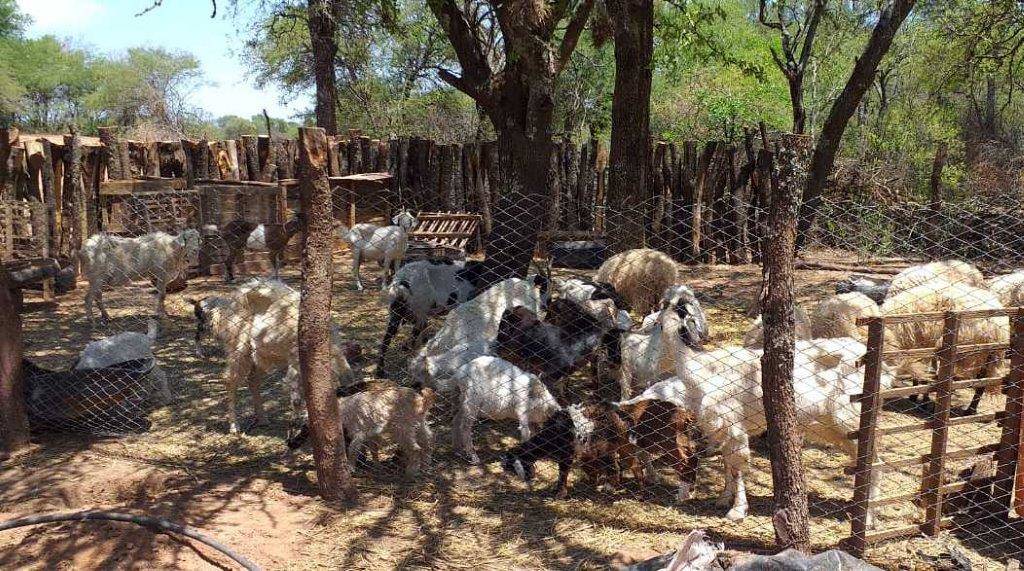
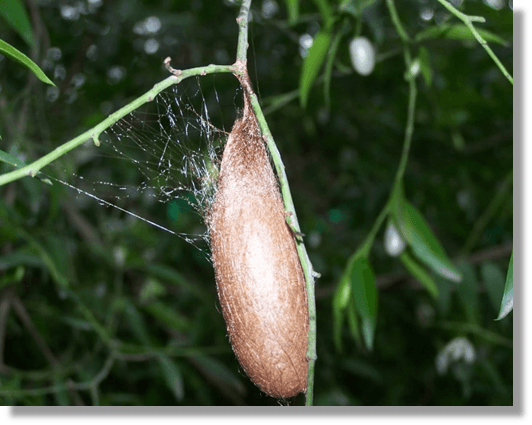
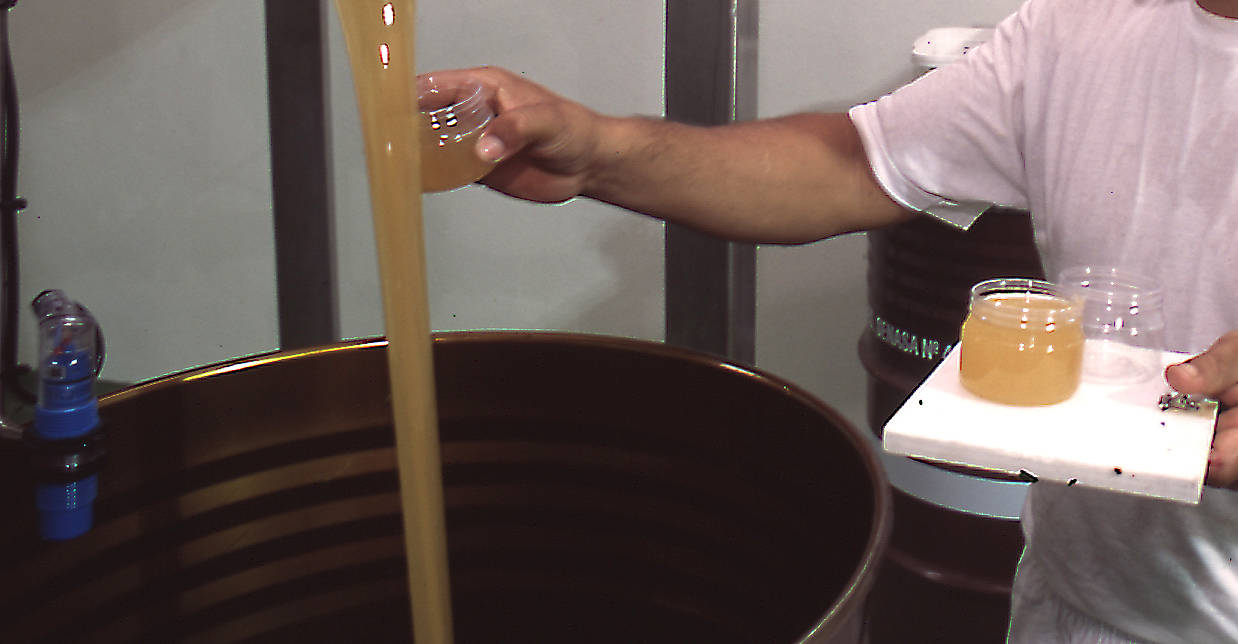
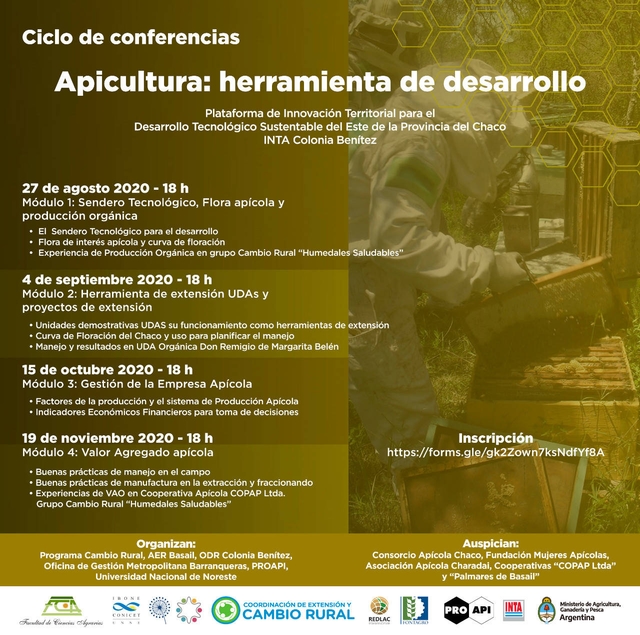
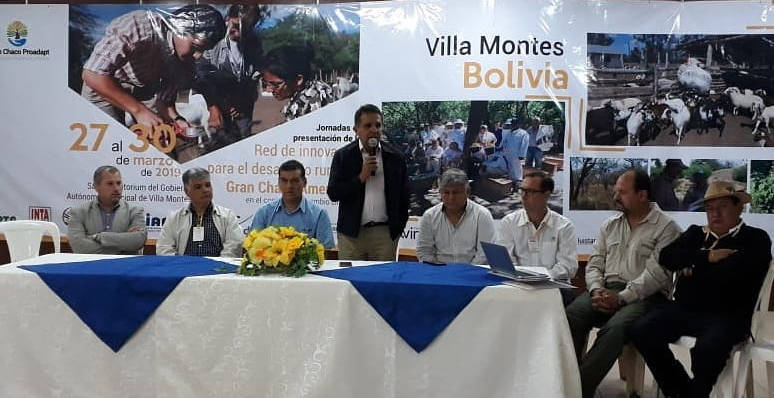
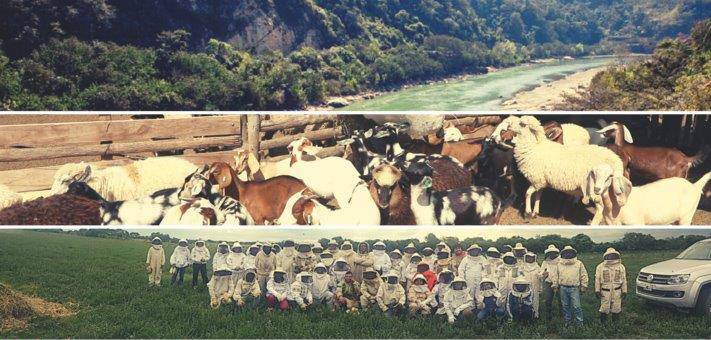
The Gran Chaco covers an area of approximately 1,014,000 km2 and represents the second largest forested region in Latin America after the Amazon rainforest. The impact caused by the increase in extreme weather events affects families, whose subsistence largely depends on resources from the native forest. The objective of The Innovation Network for a Climate-Resilient Gran Chaco is to coordinate the regional programs REDLAC (INTA - INIAF - IPTA) and Gran Chaco PROADAPT (groups the NGO) as an innovation network for the development of family agriculture in the Gran Chaco in the context of climate change. Based on participatory planning workshops, the project's Trinational Committee coordinated its three components Innovation, Coordination, Management and Monitoring, and GCyC, and in particular the activities of the Beekeeping teams, Minor Ruminants - mainly goats, Silkworm, and Meteorology.
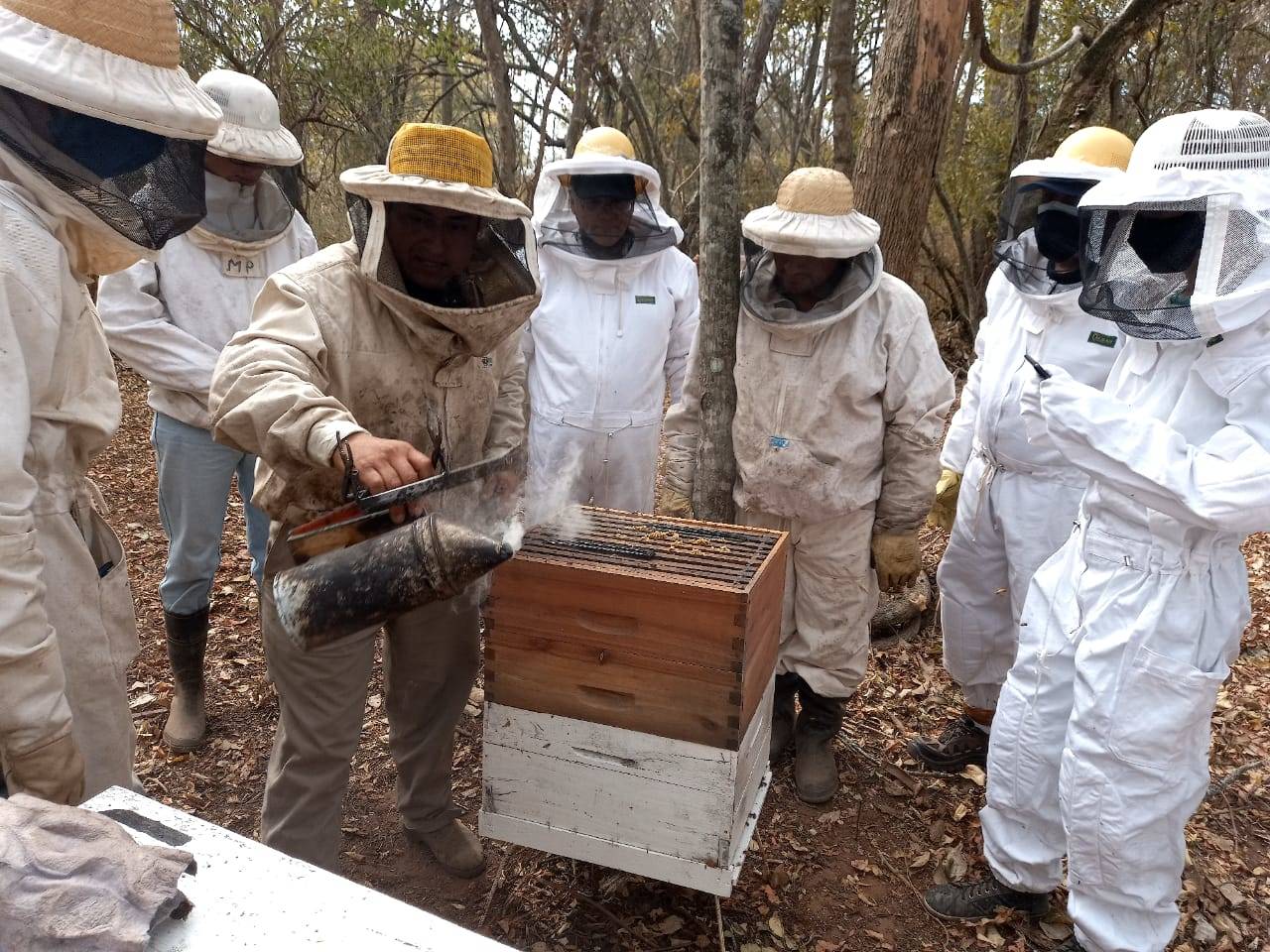
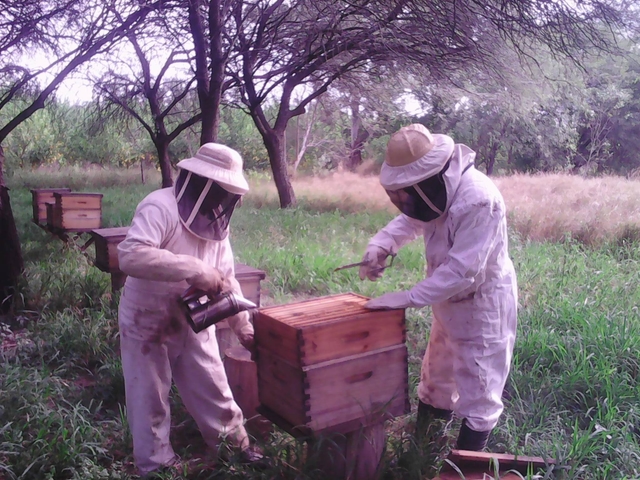
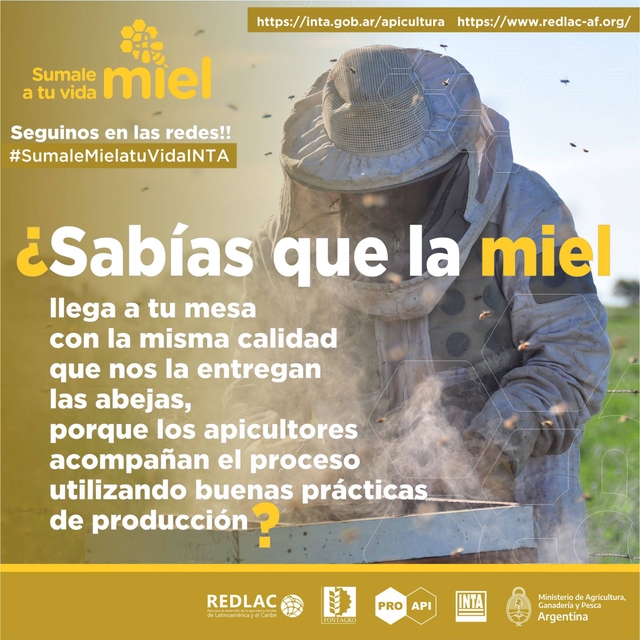
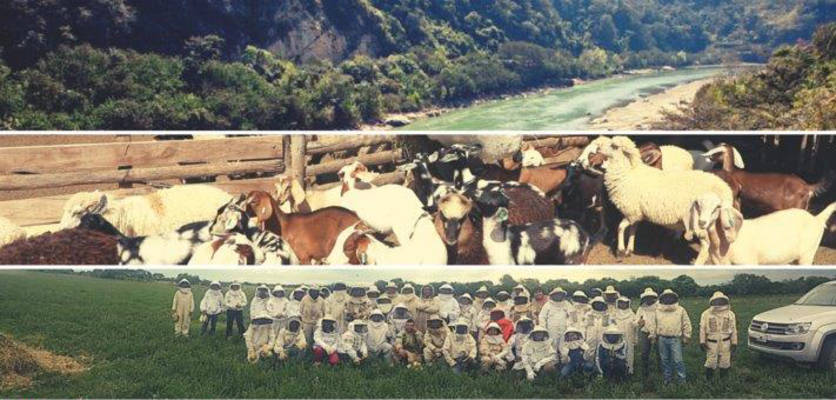
Focused on the generation of “Climate-Smart Systems”, one of the tools that yields results are the Demonstration Units. These aim to initiate a continuous process of adjusting the technological path to the territory and to be an innovation tool, where organizations and their producers, based on a large R & D & I team, achieve the “collective way of innovating”. With a total of 19 Beekeeping Demonstration Units, 4 Minor Ruminant Modules, 1 Silkworm Demonstration Unit, and 6 Technological Validation Pilot Sites, it contributes to the adjustment of the technological path as a tool for socialization and development. Using these tools, we manage to revalue local knowledge, based on R + D + i knowledge.
The contribution to the formation of public-private work networks between INTA, INIAF, IPTA and the NGOs of Gran Chaco Proadapt is the main socio-technical solution that made it possible to surpass the project objectives, uniting the R&D&I teams with the organizations and producers of the Gran Chaco. The Gran Chaco Caprine Network was created, uniting INTA and Gran Chaco Proadapt teams, in the same way that the beekeeping team led by INTA-PROAPI, and the Silkworm team were integrated. Protocols were generated and technological paths were adjusted using the Beekeeping, Minor Ruminants, and Silkworms Demonstration Units as reference sites where technological solutions adapted to the territory and extension tools were generated. Contributions were made to the consolidation of the trinational network of Argentina, Bolivia, and Paraguay meteorological stations managed by Gran Chaco Proadapt.
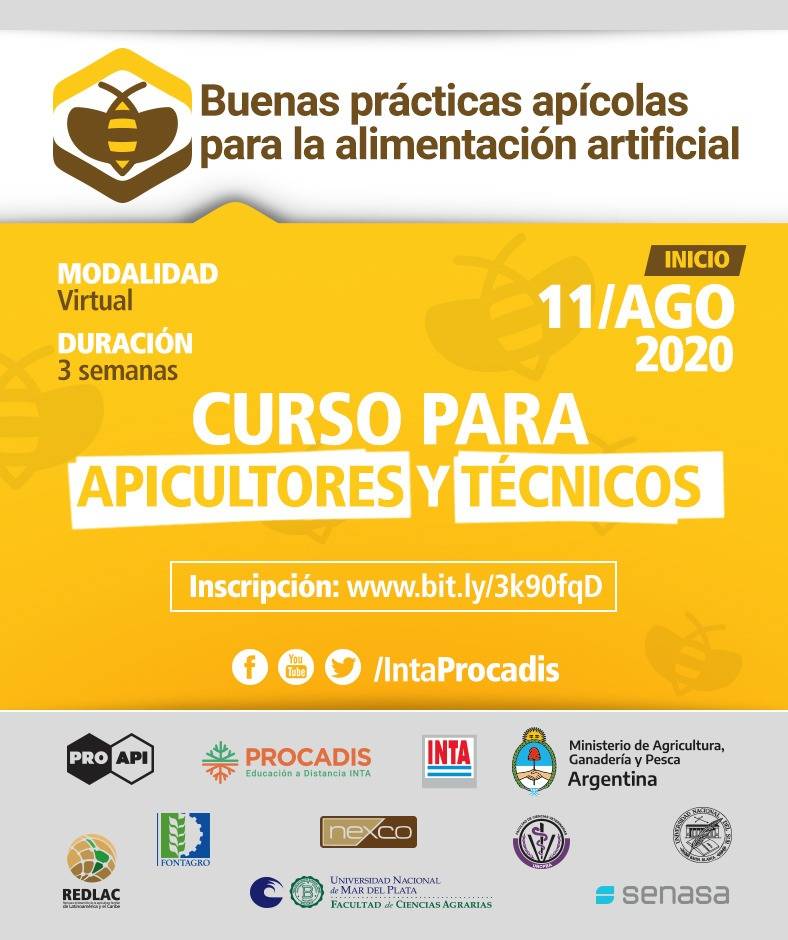
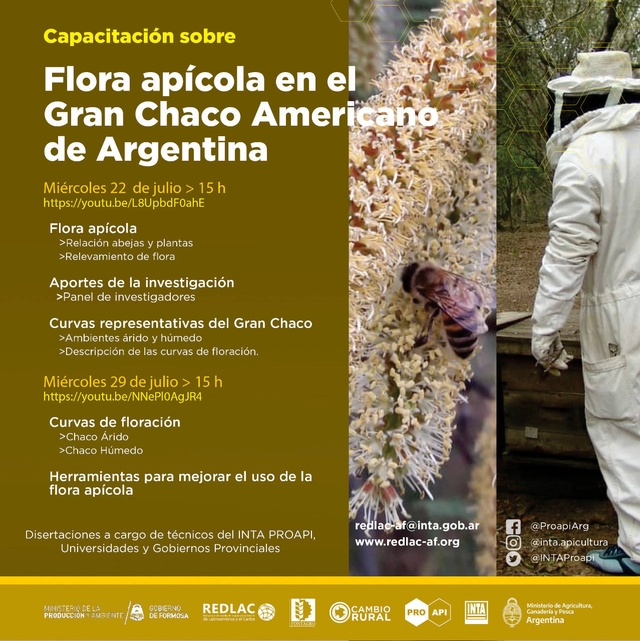
Knowledge Management is a component of great importance in the Networks, highlighting the systematization of the information generated such as information visualization, the creation of an internal exchange and work site for a team with members from 3 countries, and the generation of on-line proposals in response to training needs with great interaction between virtual content and the territory.
The incorporation of new organizations and HR to the Network made it possible to strengthen work teams and form new work networks such as the Gran Chaco Caprine Network. The Great Arid Chaco, the minor Ruminants - Goats and Sheep, and Silkworms were incorporated into the work strategy. The technological path was adjusted based on contributions from 19 Beekeeping Demonstration Units (DU), achieving an income/cost ratio of 2.9 in 2021 vs 1.23 in 2018 (diff 236%) with yields in the same period of 30 kg / col and 15 kg / col. In addition, there are 6 Goat Units and 1 Silkworm Units adjusting the technological path with the help of 7 Technology Validation Pilot Sites. 2 peer-reviewed articles were produced, as well as publications and presentations at national and international congresses. The trinational meteorological network, the warning system, and the Bermejo-Pilcomayo River Risk Maps, managed by Gran Chaco Proadapt, indirectly benefited more than 80,000 people facing the risk of flooding. Beekeeping information display systems were strengthened. The remote beekeeping MOOC, through its two editions, exceeded 40,000 registrants from 50 countries, and contributed to the Bachelor's Degree in Beekeeping of 38 future graduates.
The direct beneficiaries of this project are 6,600 trained people, 125 organizations and institutions directly linked to the program, and 81 technicians, researchers, and communicators from the RedLac and Gran Chaco Proadapt teams.
Indirectly benefited more than 138,000 people, including producers, technicians, consumers, and decision-makers at the sectoral level based on the information or tools generated. The 43,000 beekeepers trained by the beekeeping MOOCs stand out, as well as the 80,000 people who take advantage of the collaborative model of monitoring and early warning against flood risks of the Rio Bermejo and Pilcomayo.
This project actively contributes to achieving the Sustainable Development Goals, promoting more equitable, resilient, and sustainable regional development.




Horacio Adolfo Castignani
ArgentinaGerardo Pablo Gennari
ArgentinaLuis María Maldonado
ArgentinaEnrique Luciano Bedascarrasbure
ArgentinaElsa Patricia Chagra Dib
ArgentinaCecilia Dini
ArgentinaTomás Aníbal Vera
ArgentinaAndrea Aignasse
ArgentinaOrnella Eugenia Castro
ArgentinaRaúl Fernando Díaz
ArgentinaAldo Rafael Smeriglio
ArgentinaMaría Florencia González
ArgentinaCarlos Gustavo Cabrera
ArgentinaGraciela Emilia Romero
ArgentinaLuis Fernando Basilio Zago
ArgentinaMaría Alejandra Palacio
ArgentinaNatalia Bulacio Cagnolo
ArgentinaGraciela Adriana Rodríguez
ArgentinaCarina Sánchez
ArgentinaMirtha Benítez
ParaguayCristian Antonio Mohn
ArgentinaJosé Antonio García
ArgentinaMaría Felicita Leguizamon Penayo
ParaguayMarcelo Rabaglio
ArgentinaGermán Oscar Masciangelo
ArgentinaAriel Rolando Ledesma
ArgentinaSebastián Rojo
ArgentinaLeandro Raúl Frígoli
ArgentinaJorge Alejandro Barreto
ArgentinaValentina Stellfeldt
ArgentinaElisa Mercedes Marín
ArgentinaThe tangible impact of science and technology in the field
Sponsors


With the support of




.png&w=384&q=75)