
 Value chainValue chains and marketsStrategy 1. Resilient farmsStrategy 2. Sustainables territoriesAppliedTechnologicalFamily agricultureCapacity buildingGenetic improvementPostharvest
 2005
2005 Closed
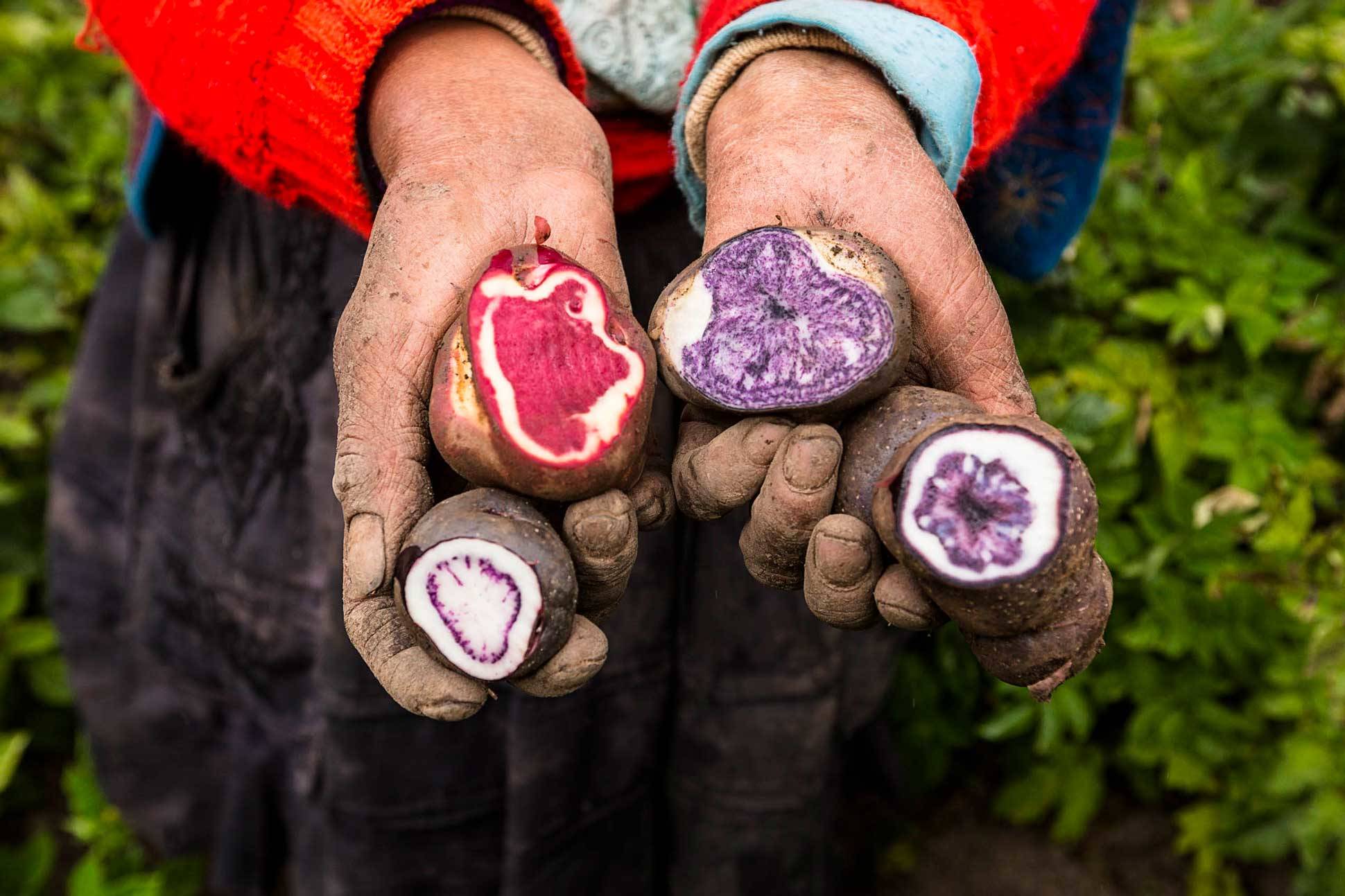
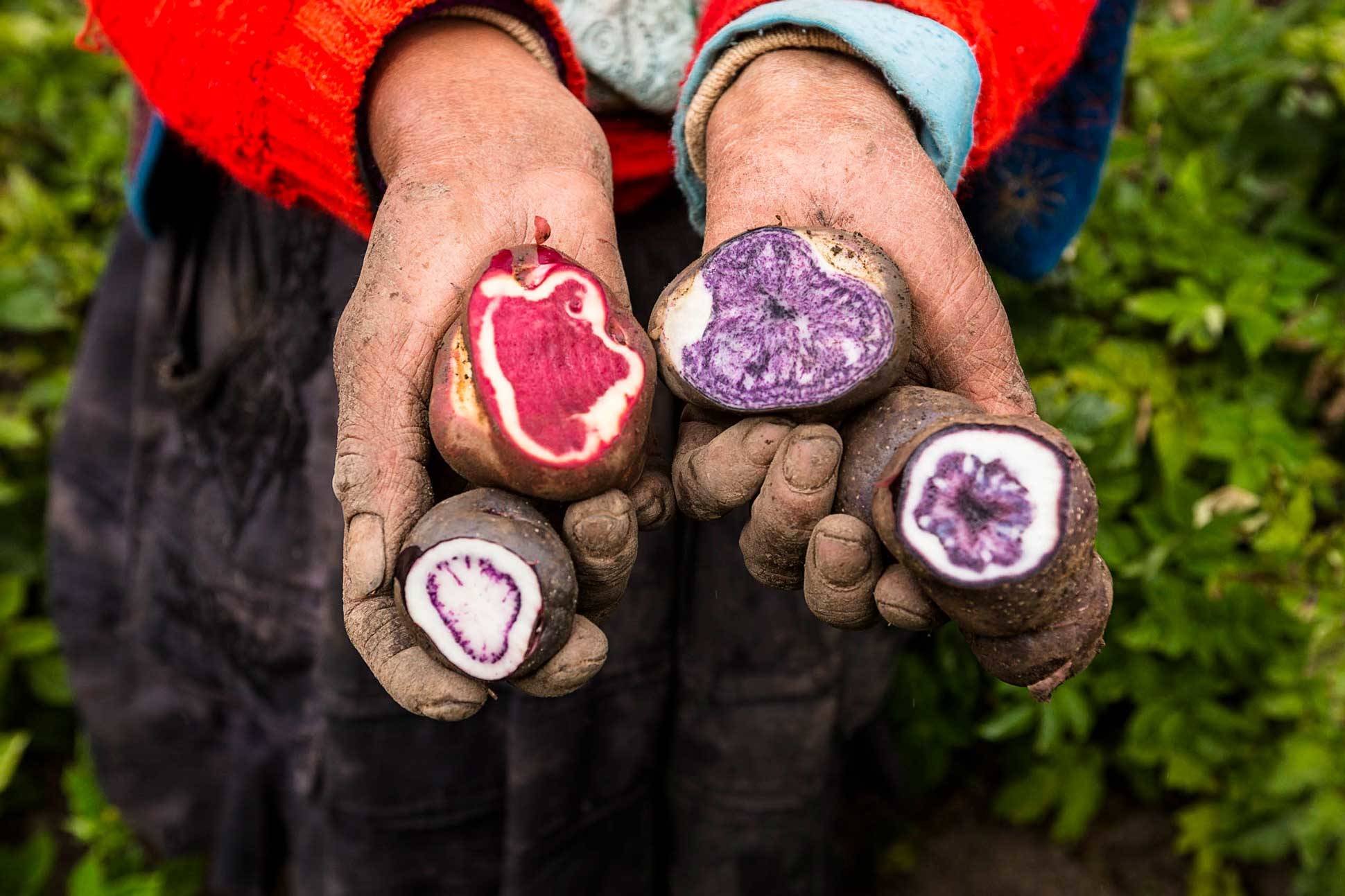
The project has acted as a means of bringing together different actors interested in the rescue, promotion and incorporation of native Andean potatoes for new uses and markets. It was executed in a consortium by PROINPA (Bolivia); CORPOICA (Colombia); the National Roots Program and INIAP (Ecuador); INIA and Practical Solutions (ITDG) (Peru); and INIA (Venezuela). The objective was to improve the quality of life of small-scale producers of native potatoes in the Andean region through the incorporation of technological innovations into their production systems and -taking advantage of existing biodiversity- attempt to access new markets.
In each country, the development of the planned agenda was a learning experience in the context of their own environmental and socioeconomic circumstances; undoubtedly the initial building blocks have been established for new commercial ventures within potato producing communities. Native potato varieties that were not found in urban markets are frequently available today to consumers. Products that were previously discarded for animal feed, today are present in supermarkets as gourmet potatoes, reaching prices of 0.8 USD / kg. Large tubers, due to their better quality, often achieve a 15% extra income, which means an additional USD 180 / ha.
The technological solution was based on both science and art, both necessary elements not only when you want to improve a crop but also when you are trying to add value and reach new markets. From a science point of view, the solution point of departure was the identification and characterization of a wide range of the diversity of native potatoes in the Andes, based on criteria defined a priori: morphological, agronomic, organoleptic and functional. The key result was the identification of superior germplasm with characteristics of commercial interest, as well as a new range of cultural practices aimed at achieving greater productivity.
The other creative element was the development and evaluation of innovative products with the support of renowned chefs and kitchen managers. These products have entered the market. As an element of particular interest "Andean Root, Tuberous and Medicinal Plants Biodiversity Fair" has been institutionalized.
The Project considered a characterization of the diversity of native potatoes, the development and promotion of products for new markets, technological innovations in production and postharvest, and the strengthening of producer organizations, as indicated below:
Iván Reinoso
EcuadorJaneth Cecilia Monteros Jácome
EcuadorJulio Gabriel
BoliviaJimena Irigoyen Cossio
BoliviaPablo Mamani
BoliviaJosé Dilmer Moreno Mendoza
ColombiaCarlos Alberto Herrera Heredia
ColombiaMaría del Socorro Cerón Lasso
ColombiaRaul Iván Valbuena Benavides
ColombiaSegundo Fausto Yumisaca Jiménez
EcuadorElena Villacrés Poveda
EcuadorFabián Montesdeoca
EcuadorManuel Pumisacho
EcuadorFranklin Marcelino Valverde
EcuadorLuz Noemí Zúñiga López
PerúMaría de Lourdes Gonzalez
VenezuelaCecilia Pérez
VenezuelaThe tangible impact of science and technology in the field
Sponsors


With the support of

The participatory development of the project managed to involve many actors. Considering all the countries, it was possible to reach 2,276 direct beneficiaries, 2,100 indirect beneficiaries, and nearly 100 chefs and kitchen managers. The yield of native gourmet increased by 20% in several communities, also improving the quality of the tubers. Market access was based on products such as Kiwa-branded colored flakes, as well as gourmet restaurants and supermarkets. Since 2009, native potato flakes with colored pulp have been sold to fair trade in France through the company "Ethiquable".
This project actively contributes to achieving the Sustainable Development Goals, promoting more equitable, resilient, and sustainable regional development.


 Impact
 Initiatives
 Dashboard
 Alliances
 Impact
 Initiatives
 Dashboard
 Alliances


_12_59_451.png&w=384&q=75)