
 Impact
 Initiatives
 Dashboard
 Alliances
 Impact
 Initiatives
 Dashboard
 Alliances


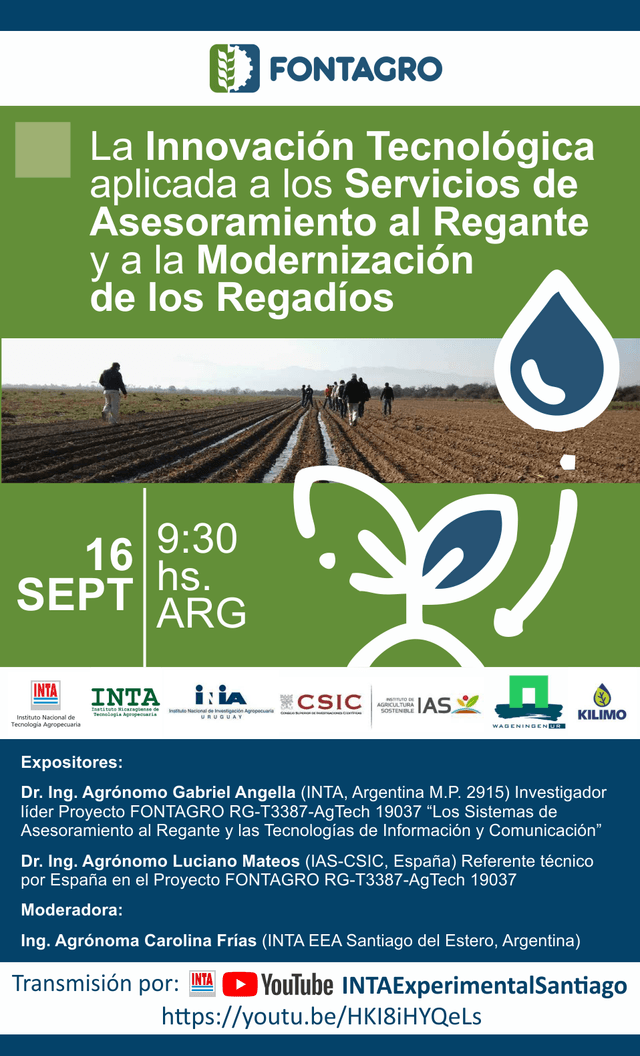
Learn more about this story
Project Webstory
Go to webstory




 Information SystemAdaptativeTechnological
 2019
2019 Closed
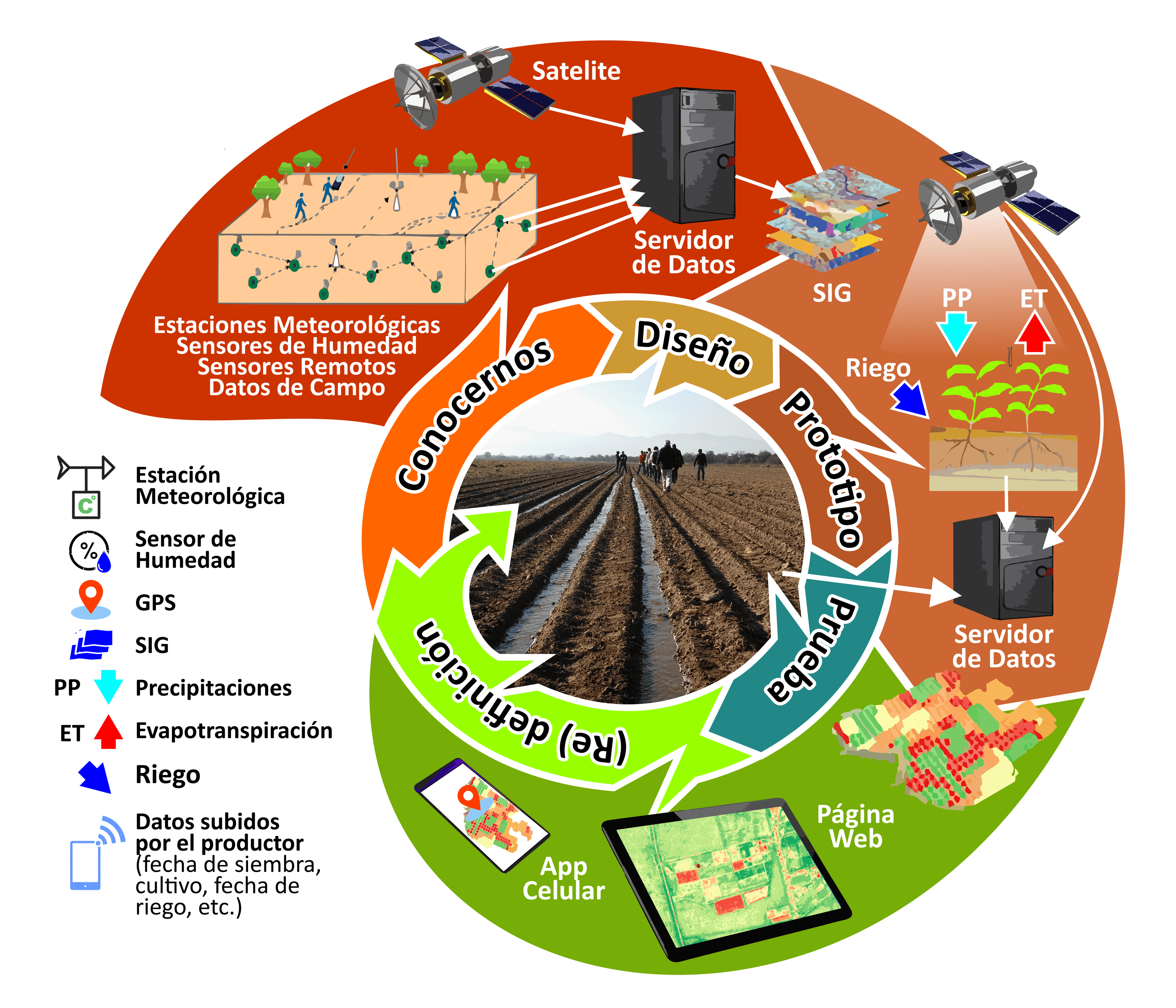
The agricultural sector faces the challenge of increasing food production to meet the demand caused by global population growth. In this scenario, irrigation and family agriculture (FA) play a central role. FA is the most widespread form of production in the world, representing more than 90% of all agricultural holdings (500 million) and contributing more than 80% of food production. Most of the FA in Latin America and the Caribbean uses irrigation based on empirical knowledge, which led to an inefficient water management. The Irrigation Advisory System (SAR) provides farmers with information to achieve a more efficient irrigation management, which leads to increasing crop yields. The general objective of the project is to identify how to reduce the yield gap in a group of crops through the use of irrigation schedules adjusted to the water requirements.
The growing access to the Internet, mobile phones, remote data transmission and satellite products are opportunities to improve the process of extension and transfer of knowledge to FA. By combining direct measurements of soil moisture and the aforementioned technologies, this information will be made available to indicate to farmers when and how much to irrigate.
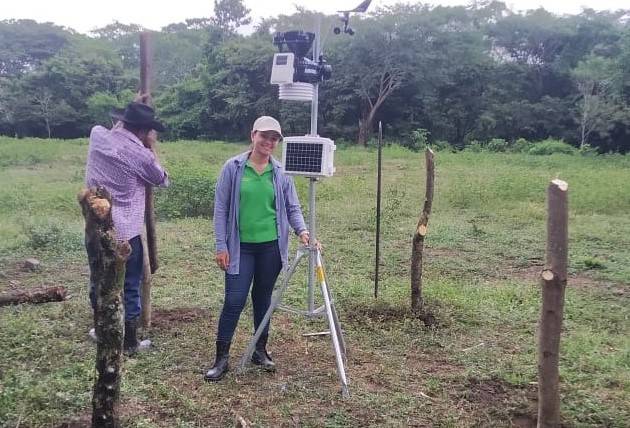
The main result of the project is the development of the Irrigation Advisory Service (SAR) platform, which provides an answer to the two basic questions of irrigation scheduling: when and how much to irrigate? The SAR shows, graphically and numerically, the availability of water in the soil. When the soil water content falls below a threshold (which depends mainly on the crop and soil type), the irrigation alert is given. The SAR has been tested on alfalfa, cotton, strawberry, tomato, pepper and bean. Preliminary results show that adjusted irrigation schedules significantly increases crop yields: alfalfa 33%, cotton 67%, pepper 65%, strawberry 52%, beans 22% and tomato 62%. Complementary results of the project are: a) strengthening agrometeorological information networks through the installation of 6 automatic weather stations, 5 having online access; b) the use of satellite images for soil moisture estimation through algorithms, using predictor variables, such as bulk density and texture of soil, and spectral indices; c) the bases for scaling up the project were established and its results were communicated through reports, workshops, meetings and seminars.
900 farmers of the Río Dulce Irrigation System (Santiago del Estero, Argentina).
400 farmers from the organizations: Sociedad de Fomento Rural Milgarejo, Cooperativa Agraria Punta del Sarandí and Sociedad de Fomento Rural Canelón Chico (Uruguay).
250 farmers from the Municipalities of El Sauce, Tisma and Ciudad Darío (Nicaragua).
This project actively contributes to achieving the Sustainable Development Goals, promoting more equitable, resilient, and sustainable regional development.





April 21, 2023
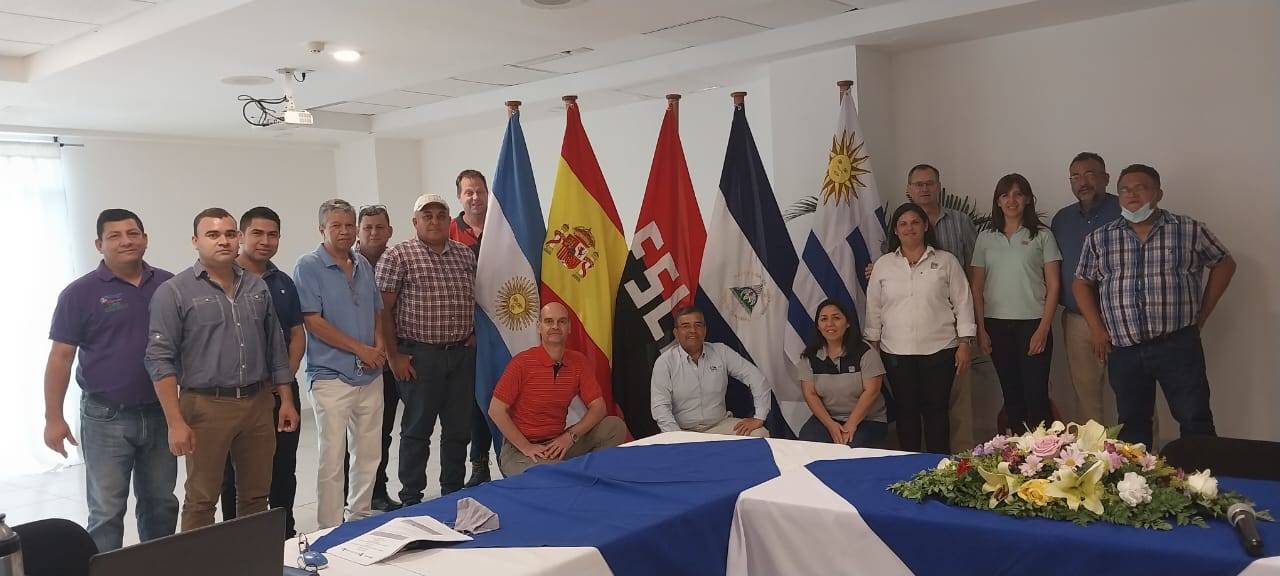
April 18, 2023
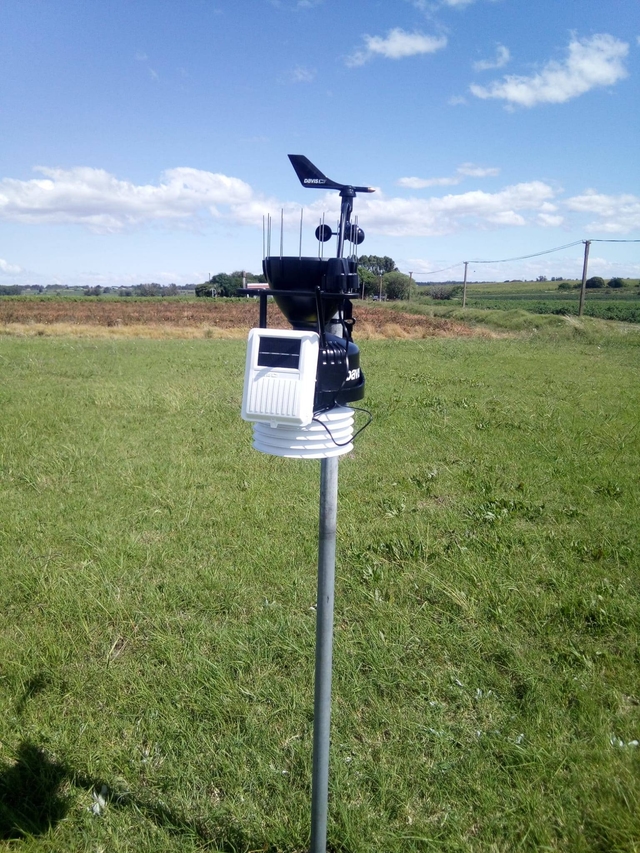
June 27, 2022
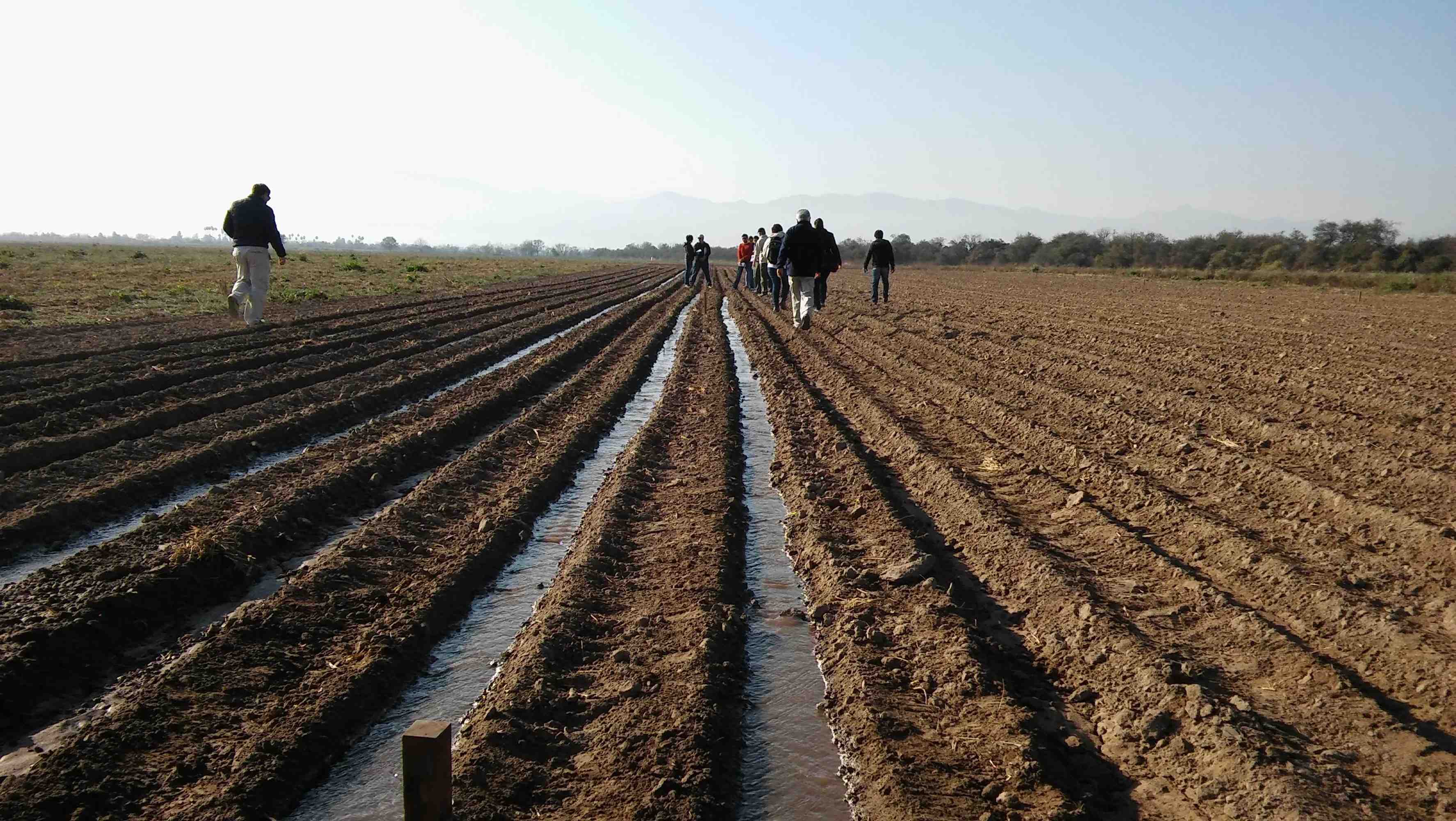
The tangible impact of science and technology in the field
Sponsors


With the support of

Gabriel Augusto Angella
ArgentinaClaudio García
UruguayLuis Manuel Urbina Urbina
NicaraguaLuciano Mateos Iñiguez
EspañaGerlo Borghuis
HolandaJuana María López
ArgentinaGabriela Alejandra Barraza
ArgentinaHoward van Meer
HolandaCarolina Patricia Frías
ArgentinaJuan Rufail
ArgentinaCecilia Berrueta
UruguayRolando José Garay Oviedo
NicaraguaIrving Igor Paredes Martínez
NicaraguaJuan Ariel Oporta
NicaraguaCésar Antonio Acevedo Narváez
NicaraguaHelder Martin García Almanza
NicaraguaDuilio Isabel Cano Torrez
NicaraguaWilber Martín Baltodano Sotelo
NicaraguaOscar Fabricio Castillo Mendoza
NicaraguaStefany Torrez Osorio
NicaraguaDiógenes José Altamirano Gonzáles
NicaraguaCatriel Santillán
ArgentinaPaula Alejandra Plomer
ArgentinaJairo Trad
Argentina