 Impact
 Initiatives
 Dashboard
 Alliances
 Impact
 Initiatives
 Dashboard
 Alliances


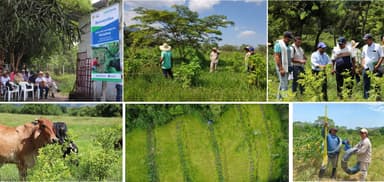
.png&w=640&q=100)
Learn more about this story
Project Webstory
Go to webstory




 Agronomic PracticesClimate changeAppliedTechnological
 2022
2022 Active
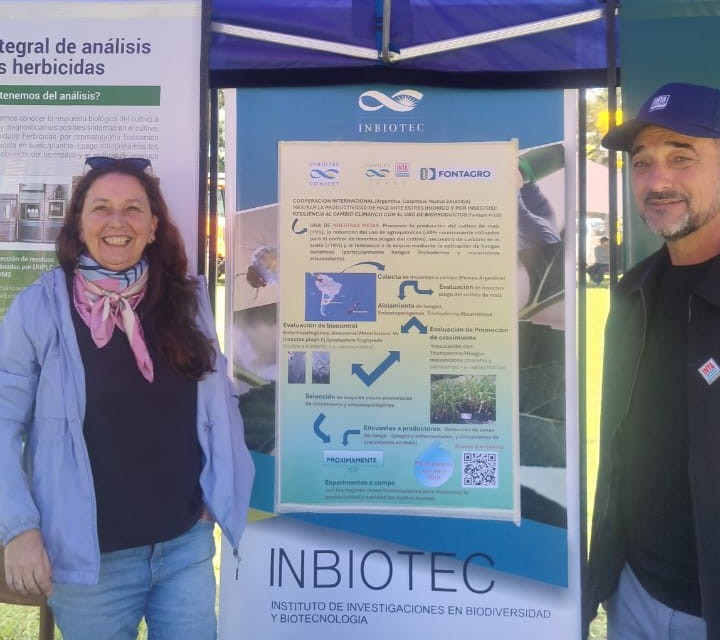
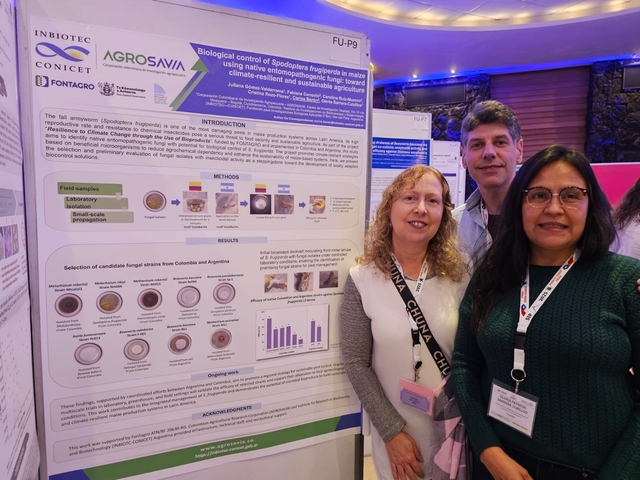
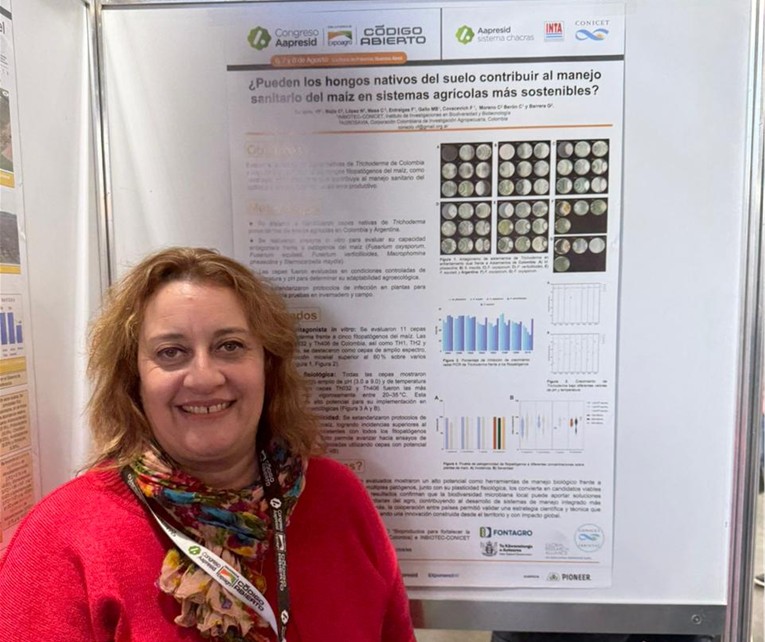
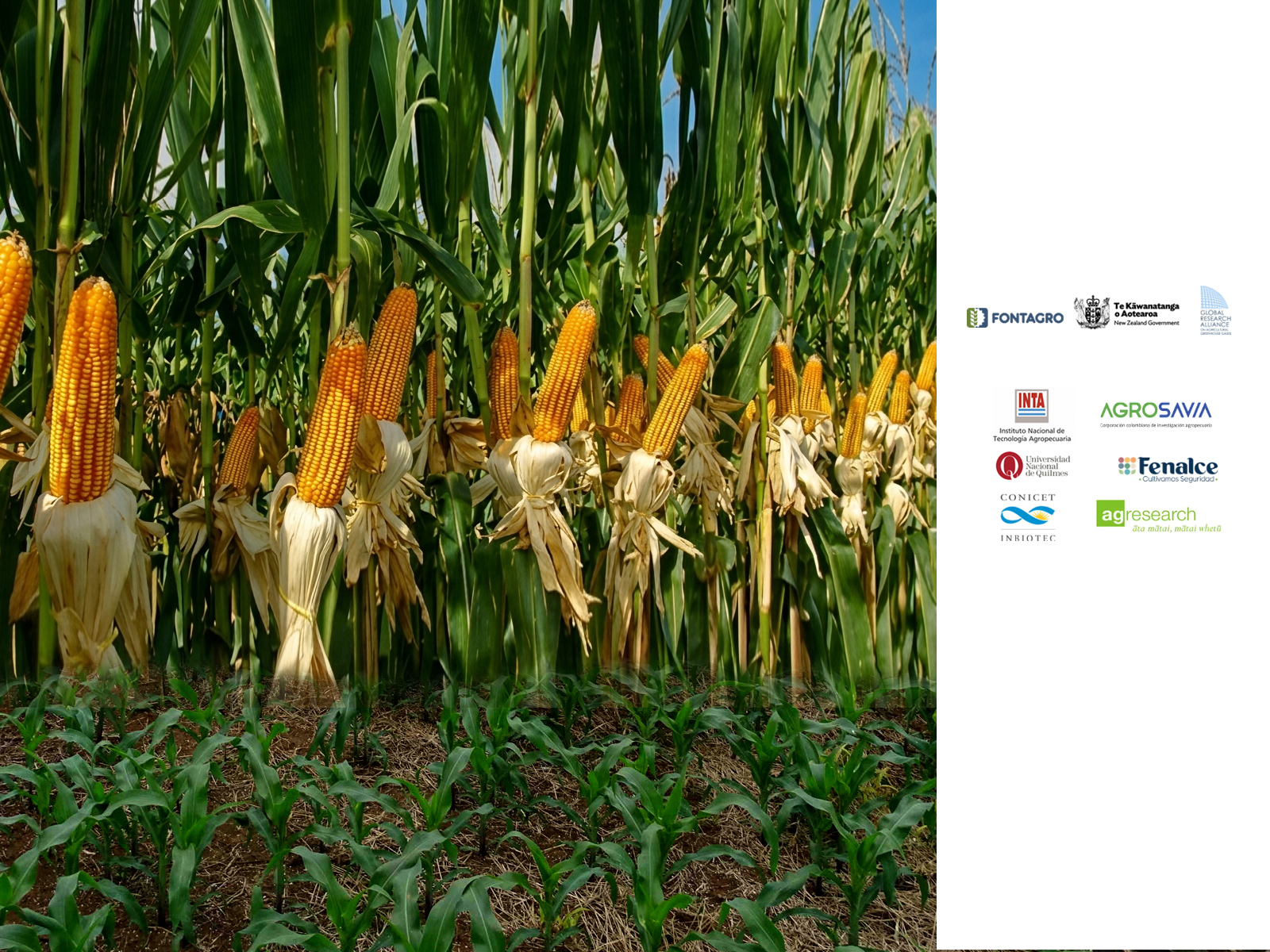
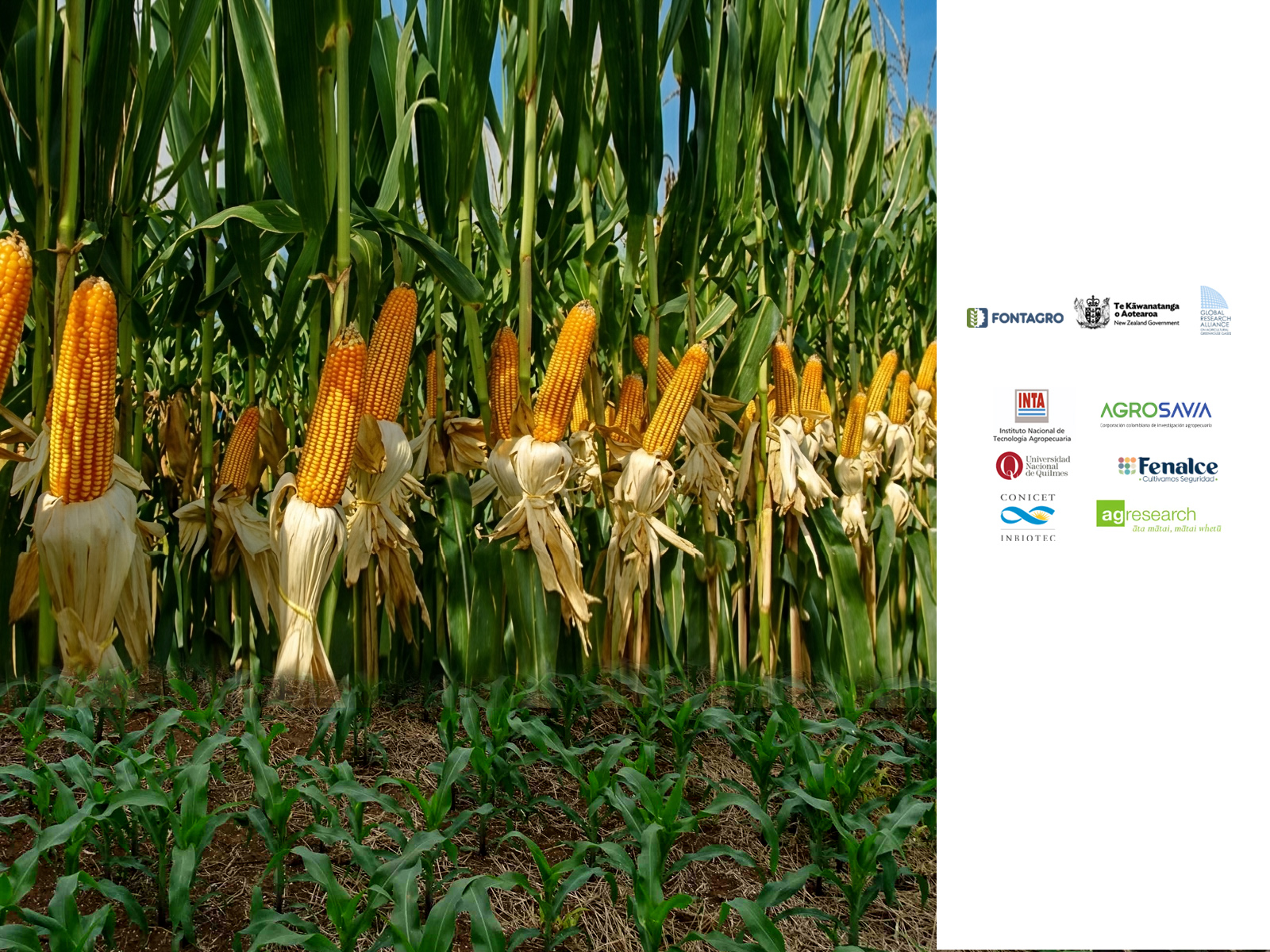
Global agricultural production faces challenges from climate change, drought, nutrient availability, pests and diseases. Biological products can reduce the use of agrochemicals and help improve productivity by minimizing the environmental risks of toxic waste and water pollution. Entomopathogenic fungi (EPF), phytopathogenic antagonists (PPA), and arbuscular mycorrhizal fungi (AMF) have been studied for their application as insecticides or pathogen antagonists. However, their potential for developing bio-products has been studied little. This project proposes the integration of beneficial fungi including EPF, PPA and AMF to improve production (+5%) and the resilience of corn crops to climate change with added benefits via reduced agrochemical use (50%), the control of pests and diseases, greater tolerance to drought and soil carbon sequestration. This will be achieved using the native biodiversity of Colombia; Argentina and New Zealand are looking for the most promising alternatives for the development of biologicals that can be integrated into a technological package to be applied in maize cultivation and replicated in other crops post-validation. The project is funded by the New Zealand Government as part of its contribution to the Global Research Alliance on Agricultural Greenhouse Gases (GRA).
This initiative aims to create a strategy for improving production by 5% and corn crop resilience to climate change through the use and integration of beneficial fungi. Microbiological biodiversity already evaluated for biopesticide and biofertilizer qualities will be integrated to mitigate the effects of climate change.
Direct beneficiaries will be corn producers in Colombia and Argentina. Further beneficiaries include professionals, students and technical assistants that will participate directly and indirectly in the development of this proposal (100 per country).
Indirect beneficiaries will be businesses that produce and commercialize biologicals, the academic sector and research sectors of the involved countries. Poultry and pork production chains will benefit from corn production being directed to animal feed, one of the greatest unmet demands in Colombia where 80% is imported.
This project actively contributes to achieving the Sustainable Development Goals, promoting more equitable, resilient, and sustainable regional development.





July 7, 2026
June 28, 2026
May 20, 2026
Gloria Patricia Barrera Cubillos
ColombiaJuliana Andrea Gómez Valderrama
ColombiaCarlos Espinel Correal
ColombiaMaría Margarita Ramírez Gómez
ColombiaElsa Judith Guevara Agudelo
ColombiaDiana Paola Serralde Ordoñez
ColombiaNathali Lopez Cardona
ColombiaMariano Belaich
ArgentinaCindy Nayibe Mejía Maldonado
ColombiaShengjing Shi
Nueva ZelandaLaura Villamizar
Nueva ZelandaMaría Cristina Rozo Florez
ColombiaJenny Carolina Ruiz Moreno
ColombiaJennifer Lorena Garcia Riaño
ColombiaClaudia Milena Mesa Barrera
ColombiaMaira Alejandra Gamero Diaz
ColombiaBuenaventura Monje Andrade
ColombiaJenny Patricia Díaz Moreno
ColombiaLissette Aracely Torres Torres
ColombiaAngela Maria Vargas Berdugo
ColombiaCarlos Andrés Moreno Velandia
ColombiaJose Jaime Tapia Coronado
ColombiaJorge Luis Cardenas Huerfano
ColombiaFernanda Covacevich
ArgentinaEduardo Mondino
ArgentinaCorina Beron
ArgentinaSusana Carolina Cerrudo
ArgentinaVerónica Fabiana Consolo
ArgentinaLUIS ERNESTO ORTEGON
ColombiaJose Isidro Beltrán Medina
ColombiaJose Antonio Cantero Rivero
ColombiaWilmar Alexander Wilches Ortiz
ColombiaLuciano Ramirez
ColombiaAlejandro Villabona Gelvez
ColombiaThe tangible impact of science and technology in the field
Sponsors


With the support of