 Impact
 Initiatives
 Dashboard
 Alliances
 Impact
 Initiatives
 Dashboard
 Alliances


.jpeg&w=640&q=100)

Learn more about this story
Project Webstory
Go to webstory




 Pest and Disease ResistanceAppliedTechnological
 2019
2019 Closed
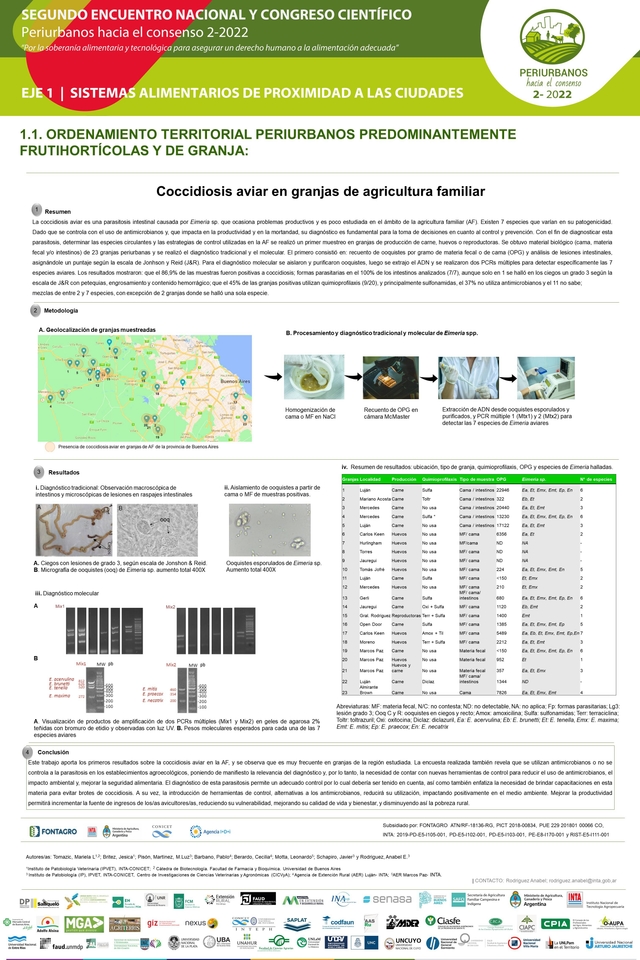
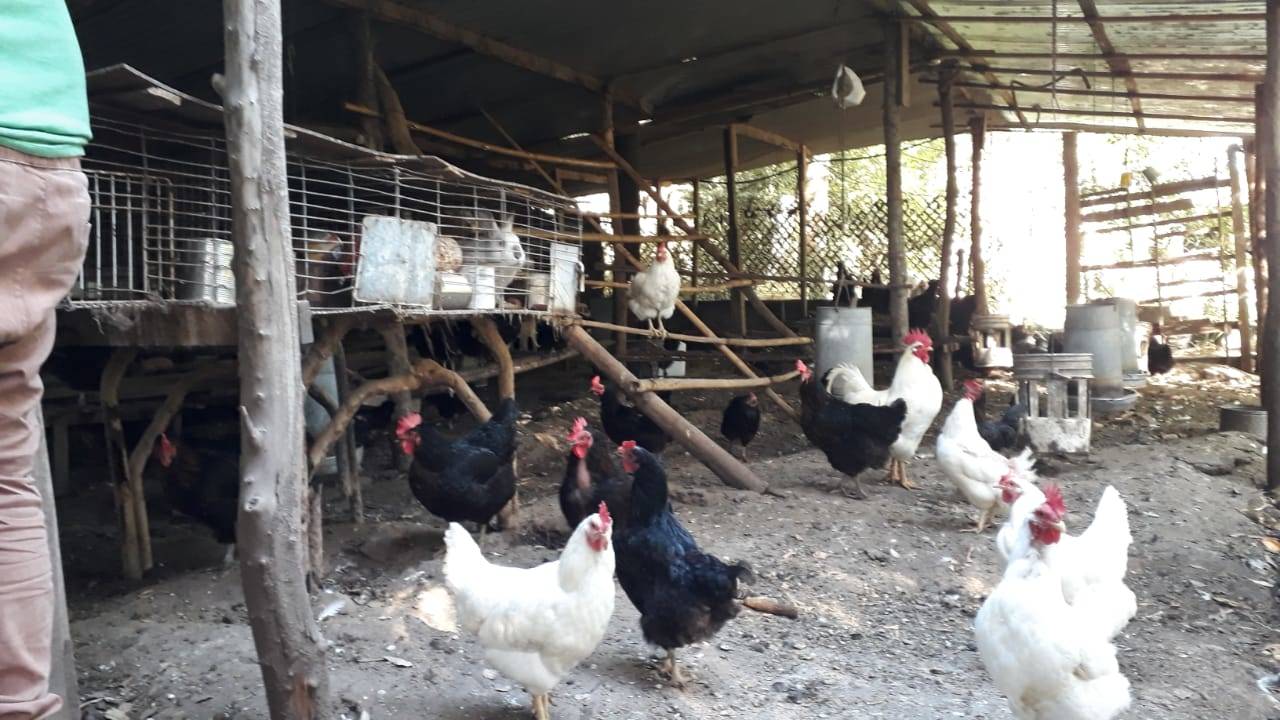
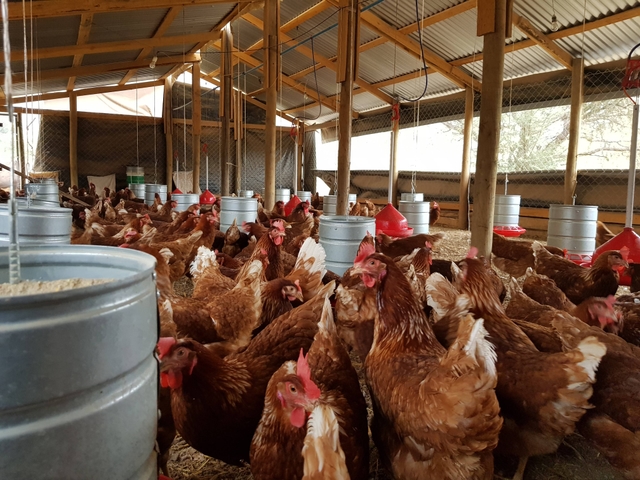
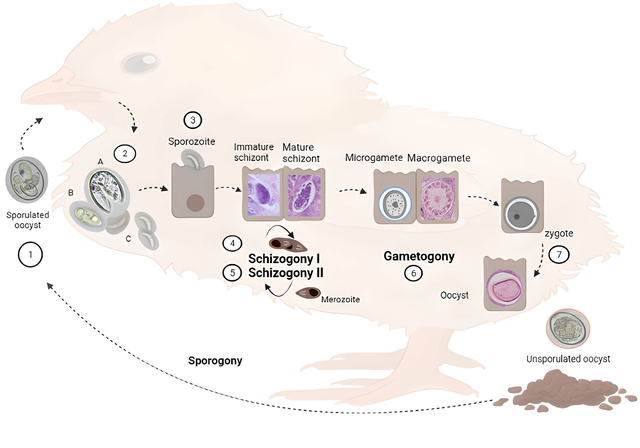
Avian coccidiosis is an intestinal parasitosis that causes sanitation problems in poultry farms. It is caused by an intestinal parasite of the genus Eimeria that is highly contagious and produces great economic losses in both meat and egg production. At the industrial level, its control is carried out through biosecurity measures, management, live vaccines and antimicrobials. Although vaccination is effective in industrial poultry, family producers do not use it as a sustainable strategy due to its high cost. In addition, drugs used at an industrial level cause environmental contamination and may leave residues in products intended for human consumption, potentially posing toxic effects for consumers. In family farming, there are no formal reports of the parasite species that affect birds and determining these is crucial for decision-making regarding prevention and treatment. Therefore, generating the necessary knowledge to understand the problem and developing an agroecological model for effective disease control is essential.
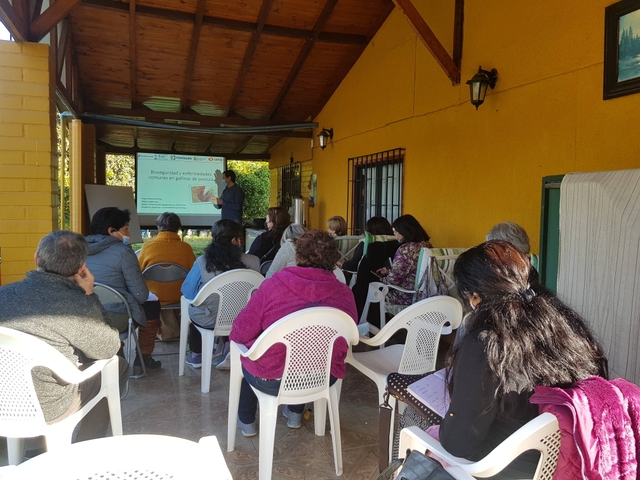
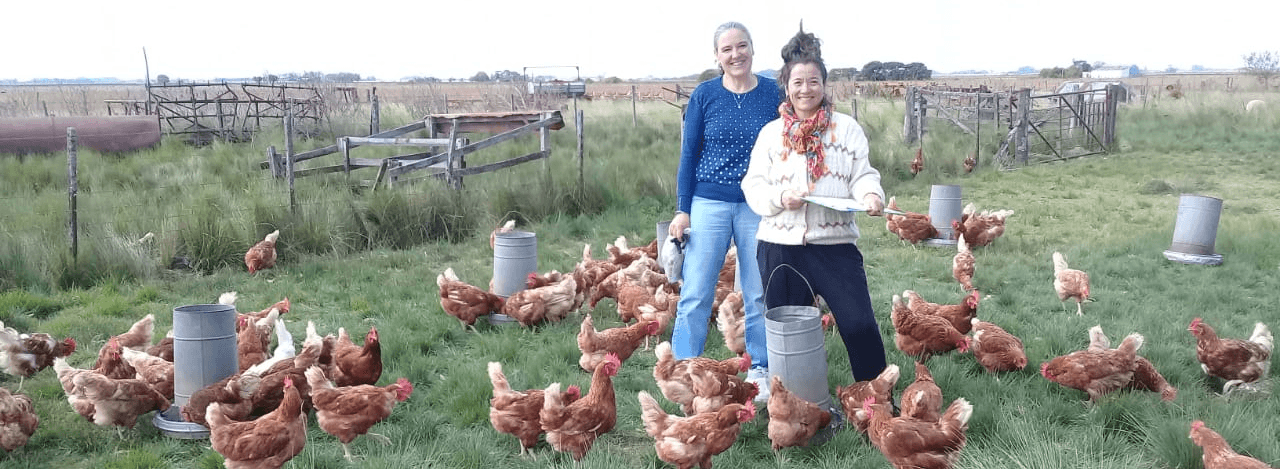
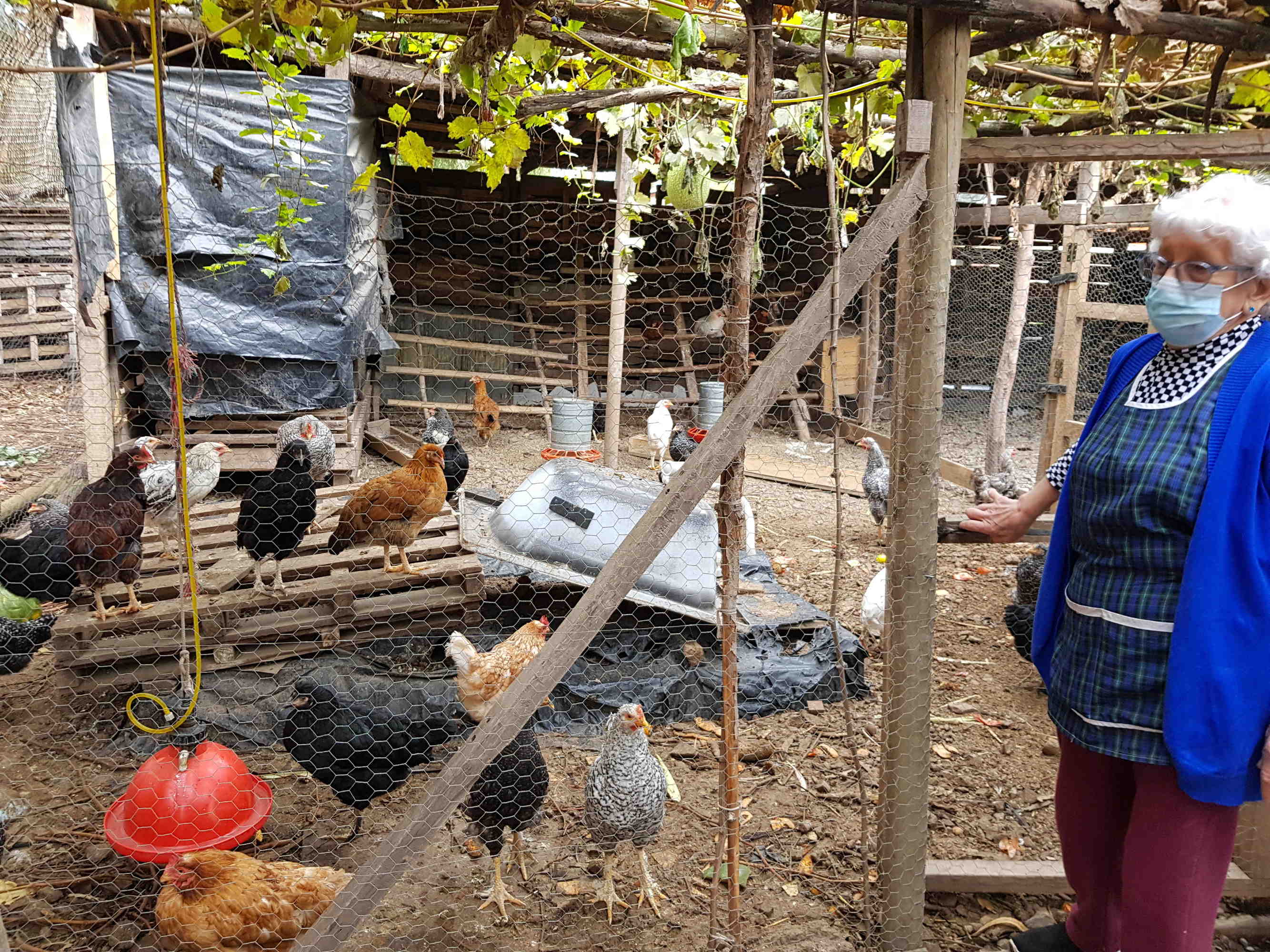
Research on the proper management of coccidiosis through breeding under animal welfare practices, sustainable management of natural resources and the use of probiotics.
This project actively contributes to achieving the Sustainable Development Goals, promoting more equitable, resilient, and sustainable regional development.







September 12, 2024
.jpeg&w=640&q=100)
December 29, 2023
December 29, 2023
The tangible impact of science and technology in the field
Sponsors


With the support of

Anabel Elisa Rodríguez
ArgentinaMariela Luján Tomazic
ArgentinaLucía Valenzuela-Pérez
ChileDavid Pezoa Aros
ChilePablo Martín Barbano
ArgentinaZulma Edith Canet
ArgentinaGisela Ariana Marcoppido
ArgentinaRaúl Alejandro Alegría Morán
ChileGalia Ramírez Toloza
ChileMiguel Guzmán Muñoz
ChileGonzalo Cabrera Vallejos
ChileCesar Ivan Gramaglia
ArgentinaJesica Daiana Britez
Argentina