 Impact
 Initiatives
 Dashboard
 Alliances
 Impact
 Initiatives
 Dashboard
 Alliances


Learn more about this story
Project Webstory
Go to webstory




 Agronomic PracticesAppliedTechnological
 2024
2024 Active
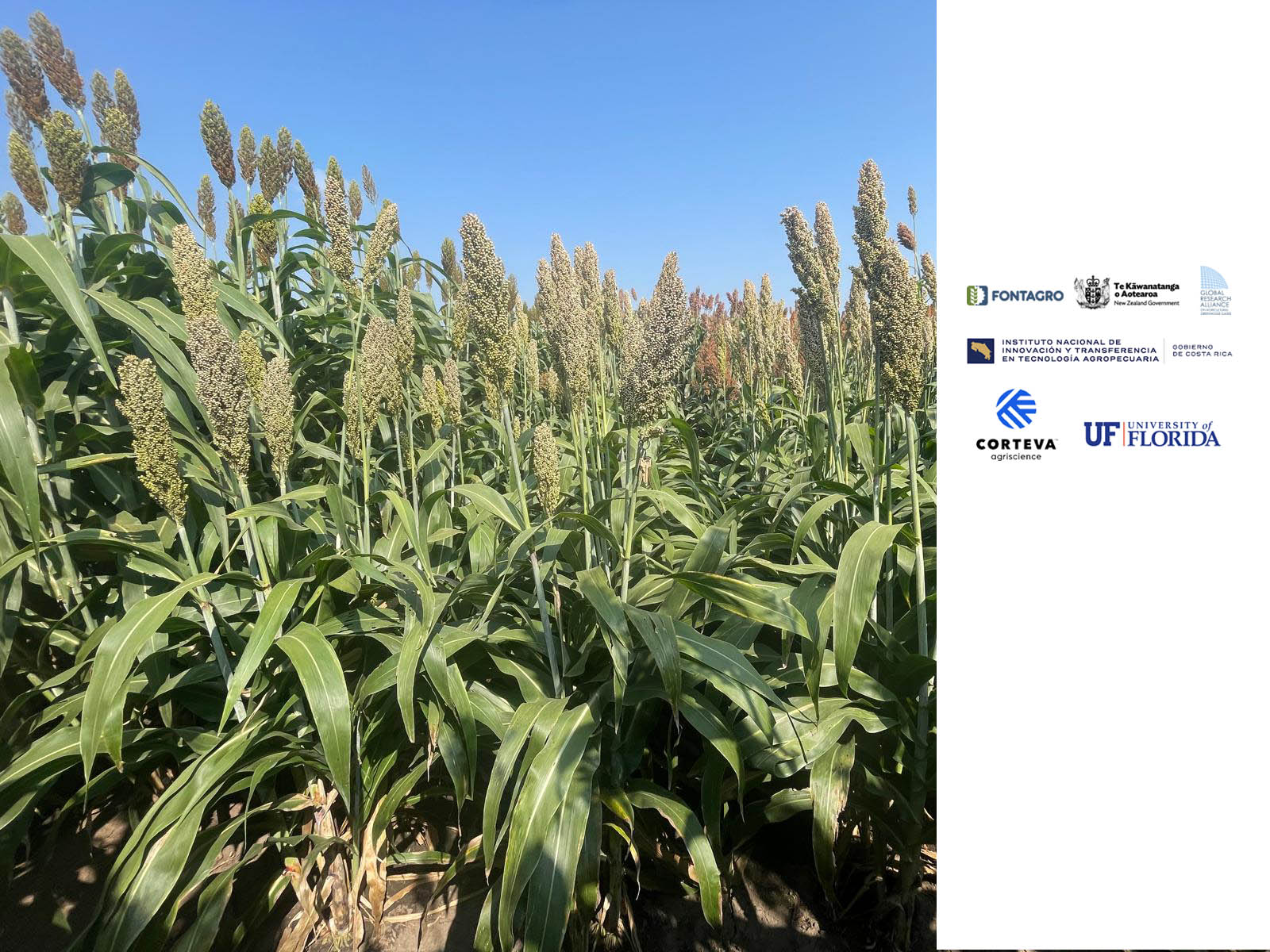
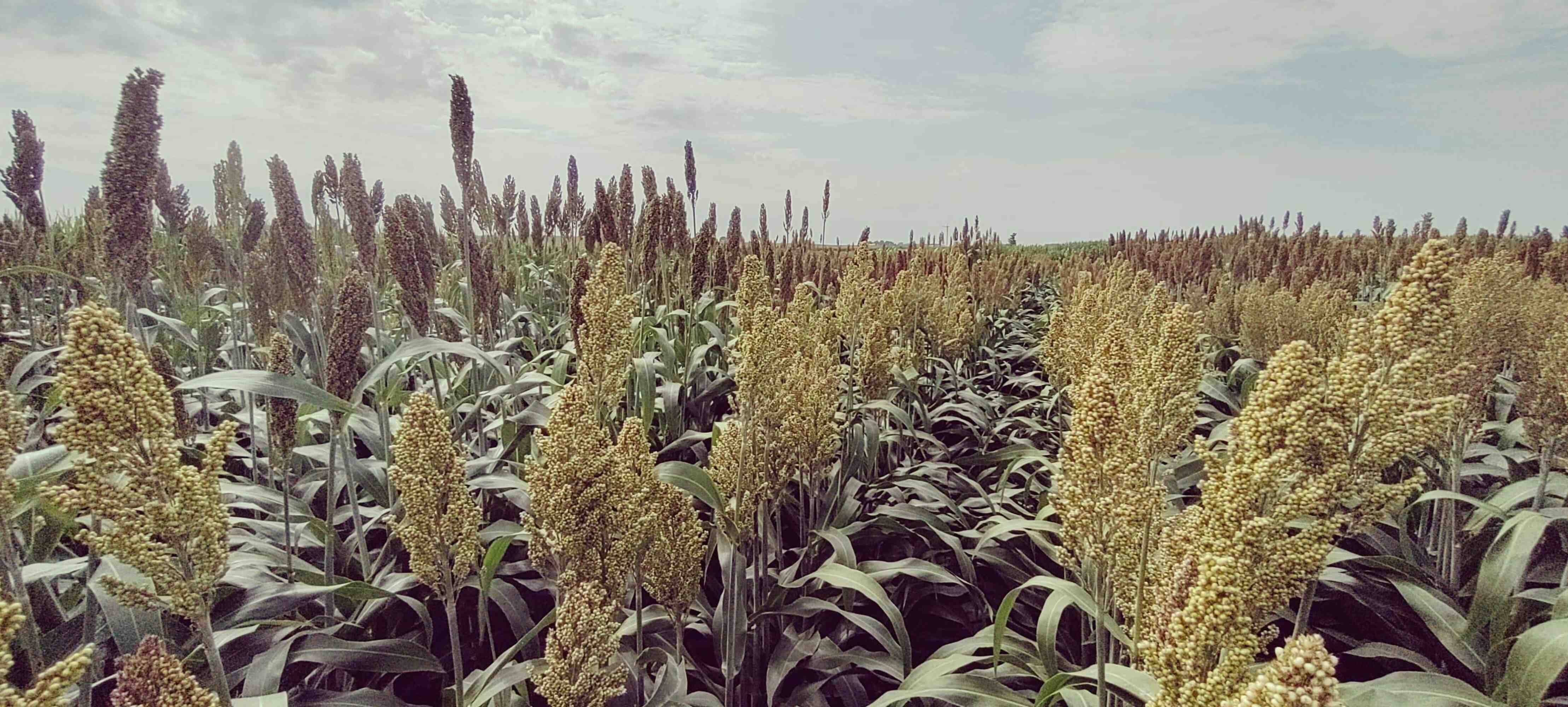
The project focuses on the sustainable intensification of agricultural systems in arid zones of Latin America and the Caribbean by incorporating sorghum genotypes and other forage cereals adapted to each environment to increase the productivity, sustainability, and resilience of the region's production systems. The proposal promotes a regional alliance to achieve intensive and sustainable agriculture. The project is addressed through four components: 1) identifying the baseline and characterizing the target environments through the analysis of climatic and soil variables, 2) evaluating the genotypes in the selected environments, 3) developing an online platform to disseminate results and genotype recommendations, and 4) transferring knowledge and results to farmers, agricultural technicians, advisors, and students. Rural producers will have the opportunity to include crops with high tolerance to water supply constraints in their production systems, with genotypes and management adapted to the different target environments identified. The project is funded by the New Zealand Government as part of its contribution to the Global Research Alliance on Agricultural Greenhouse Gases (GRA).
Through knowledge, technology, innovation, and network collaboration, it will be possible to increase productivity levels, sustainability, and reduce uncertainty in response to severe water deficit events affecting the region.
The project is expected to build a sorghum cultivar evaluation network and, as a first step, establish a technological baseline for each participating country. Trials across the network will then characterize the soil, climate, and agronomic conditions of each evaluation environment, describe how cultivars perform in each, and analyze genotype-by-environment interaction (how the performance of a given cultivar shifts with site conditions). This information will feed an online platform offering cultivar recommendations and yield estimates tailored to each environment. Knowledge generated on the environments and cultivars will be transferred to producers, technicians, professionals, and students across the sector.
This initiative will positively impact productivity levels, sustainability, and the reduction of uncertainty in response to severe water deficit events affecting the region. The direct final beneficiaries are approximately 2,000 small and medium-scale producers in the Central American Dry Corridor, as well as other regions of Latin America and the Caribbean (Colombia, Peru, Argentina and the Dominican Republic). In the case of the Dry Corridor, 11.5 million people live in rural municipalities in the region, with approximately 50% engaged in the production of crop grains. This project focuses on this latter group.
This project actively contributes to achieving the Sustainable Development Goals, promoting more equitable, resilient, and sustainable regional development.

%206.02.33%E2%80%AFp.m..png&w=640&q=100)
September 30, 2026
Ignacio Hisse
Estados UnidosDiego Ortiz
ArgentinaWilliam Carrasco Chilon
PerúLaura Mayor
Estados UnidosLincen Mariela Garcia Mejia
HondurasNevio Bonilla Morales
Costa RicaJuan Sebastian Panelo
Estados UnidosDomiciano Herrera
PanamáThe tangible impact of science and technology in the field
Sponsors


With the support of