
 Agronomic PracticesClimate changeStrategy 1. Resilient farmsStrategy 2. Sustainables territoriesAppliedTechnological-Organizational-InstitutionalFamily agricultureFamily agricultureClimate smart agricultureSeedsCapacity buildingGenetic improvementPostharvest
 2015
2015 Closed
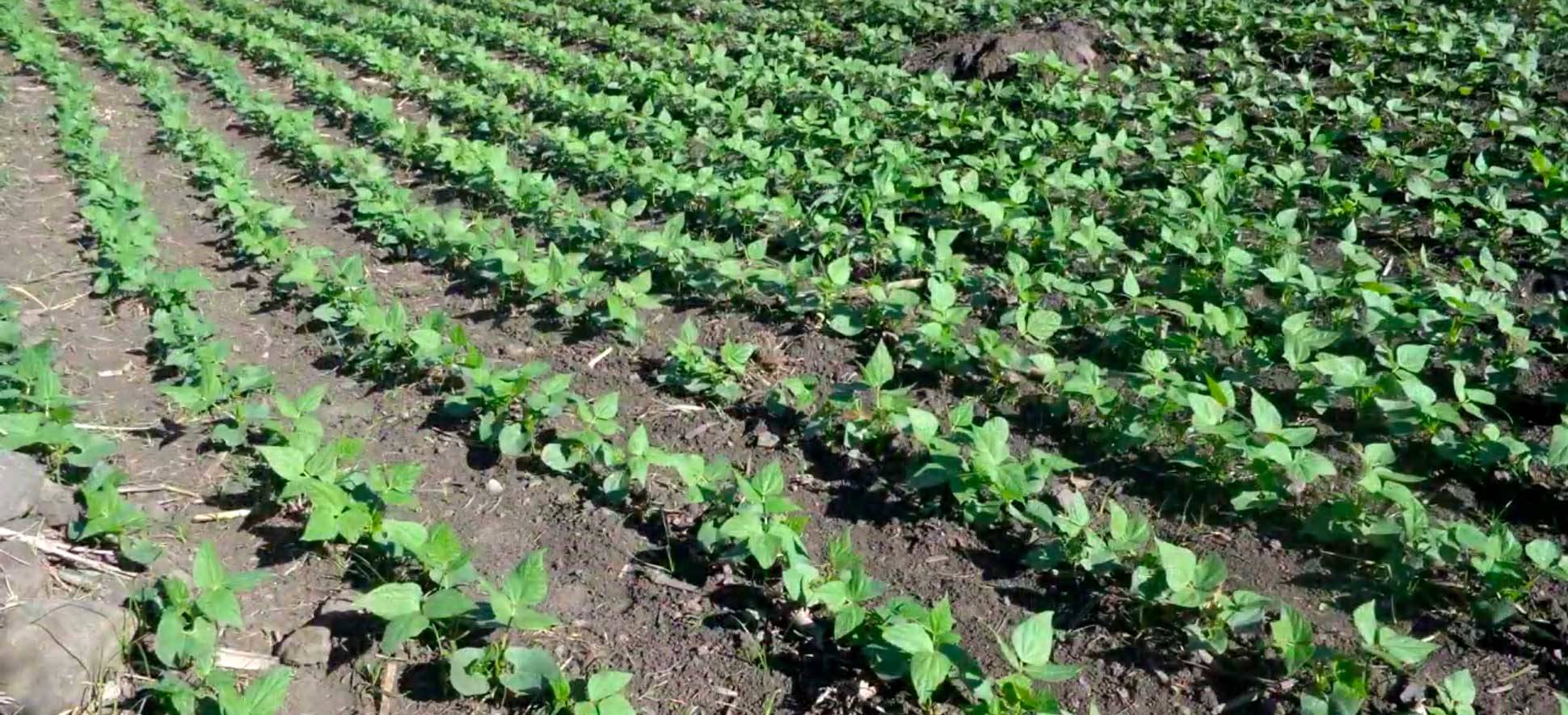
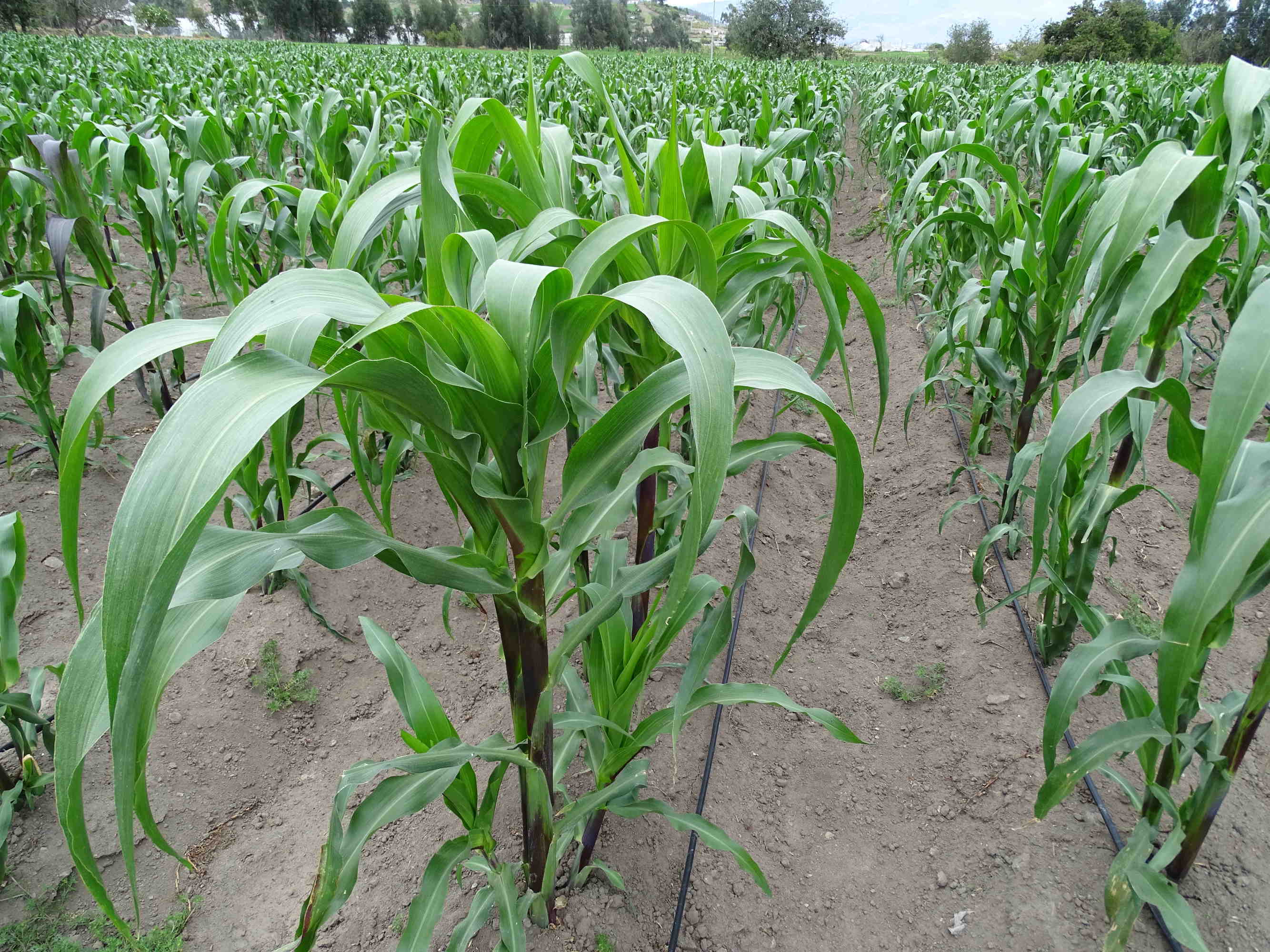
Lately, the Central American region has been affected by the consequences of global warming, with the greatest impact manifesting in the dry corridor of Nicaragua and Honduras where cyclical droughts and rain patterns with characteristics very similar to the El Niño phenomenon occur. These climatic conditions have affected levels of productivity and environmental and social sustainability of a population of 467,000 families in 5 departments of each country. To address this situation, this project presents a bi-national proposal to sustainably manage family agriculture in the Dry Corridor in order to increase the climate resilience of 3,600 families. The project will implement participatory plant breeding actions in corn and beans, good agroecological practices resilient to climate change, strengthening the agroclimatic information system and public-private alliances linked to the corn and bean value chains.
Improvement of the competitiveness and productivity of producers through access and use of validated maize and bean seeds, and the implementation of resilient productive and agro-ecological practices.
2,415 families in the Dry Corridor of Nicaragua and Honduras
This project actively contributes to achieving the Sustainable Development Goals, promoting more equitable, resilient, and sustainable regional development.

Mario Israel Cruz Gutiérrez
NicaraguaMilton Octavio Castillo Soza
NicaraguaMarcos Machado
NicaraguaDennis Joel Irias Valerio
HondurasRein van der Hoek
Costa RicaMiguel Obando
NicaraguaMario Zelaya
NicaraguaThe tangible impact of science and technology in the field
Sponsors


With the support of


 Impact
 Initiatives
 Dashboard
 Alliances
 Impact
 Initiatives
 Dashboard
 Alliances