
.png&w=3840&q=100)

 Diagnostic MethodClimate changeStrategy 1. Resilient farmsStrategy 2. Sustainables territoriesAdaptativeTechnologicalGas emissionClimate smart agricultureAgricultural systems
 2014
2014 Closed
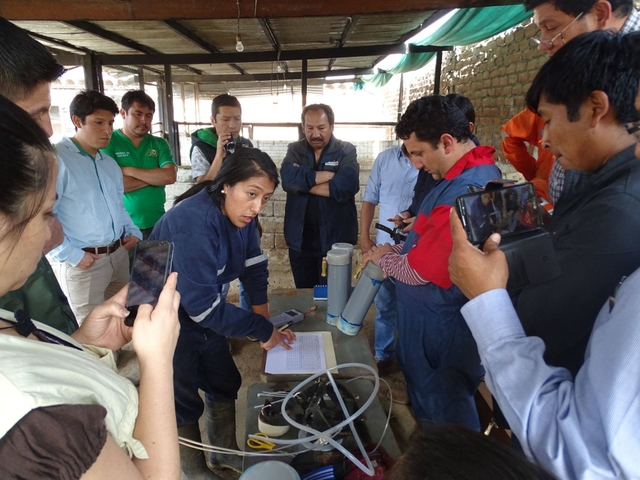
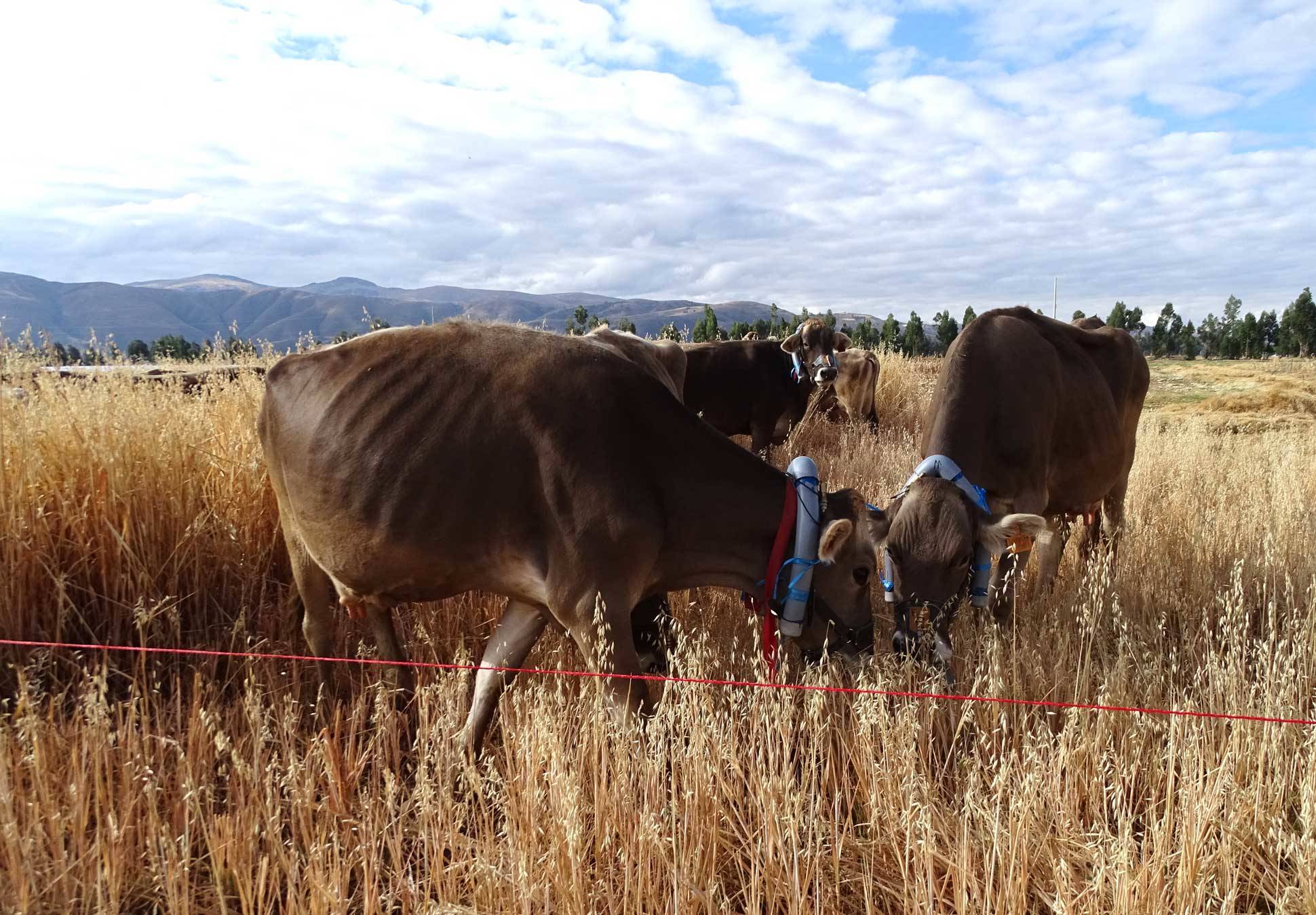
This project aimed to improve methane (CH4) and nitrous oxide (N2O) emission quantification techniques. Furthermore, it intended to generate strategies to help mitigate these emissions in dual-purpose livestock production systems in the Andean Region. The project was funded by the New Zealand Government as part of its contribution to the Global Research Alliance on Agricultural Greenhouse Gases (GRA).
This project was structured with five components.
Livestock feeding improvements such as non-structural carbohydrate reductions and/or higher dietary protein resulted in greater milk yield per day and reduced CH4 emissions per liter of milk.
Improved systems had greater milk yield per lactation (2,369 vs. 1,990 kg/lactation) and lower cost of production (0.29 vs. 0.21 $/kg) compared to the traditional ones. Furthermore, CH4 emissions per liter of milk were lower in improved systems than in traditional systems (29 vs. 44 g CH4/kg of milk). Hence, feed with lower structural carbohydrates and greater crude protein contents helped to reduce enteric fermentation and enhance milk production.
This project actively contributes to achieving the Sustainable Development Goals, promoting more equitable, resilient, and sustainable regional development.

Carlos Gomez Bravo
PerúMaria Febres
PerúOlga Lucia Mayorga Mogollón
ColombiaLuis Fernando Rodríguez
EcuadorJosé Campero
BoliviaCesar Osorio
PerúCarlos León Velarde
PerúJuan Pablo Garzón Prado
EcuadorThe tangible impact of science and technology in the field
Sponsors


With the support of



November 7, 2019

 Impact
 Initiatives
 Dashboard
 Alliances
 Impact
 Initiatives
 Dashboard
 Alliances