Quinoa is one of the crops with the greatest global expansion and there is a lot of information on its ecophysiology that, however, is disconnected from crop management practices. Ecophysiology is the bridge between physiology and management that allows us to recognize gaps and discuss alternatives that reduce them and allow the efficient use of resources. The inefficiency in the use of resources in environments such as the inter-Andean valleys, the Peruvian coast and southern Chile, despite their richness in nutrients and water availability, is a determinant of the low yields obtained. In this project, knowledge will be generated for these regions with high performance potential. Currently, there is no comprehensive resource management plan adapted to the characteristics of these environm
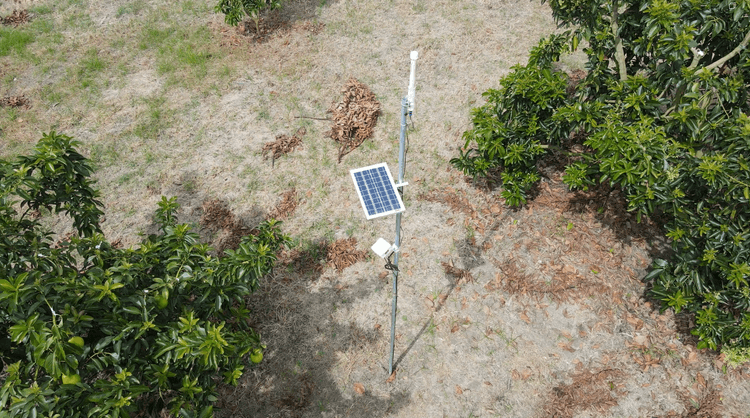
Optimization of decision on water management and fertility, based on knowledge about quinoa ecophysiology and information of climate and soils, providing accessible tools to farmers and technicians such as simulation models (CRONOS-QUINOA, AQUACROP and online calculator nitrogen fertilization) of free access calibrated for quinoa in those environments plus technical manuals.
This project proposes to reduce the gaps in yield associated with inadequate management of irrigation and fertilization in quinoa. To achieve this purpose, the generation of knowledge will be combined with the development of free access computer tools for farmers, technicians and agricultural professionals. In this way, the environmental impact will be reduced, for example that associated with inadequate or excessive use of irrigation or nitrogen. By increasing yields for a greater efficiency in the use of resources, it will contribute to improving the quality of life of farmers, via an increase in the profitability of their establishments. If the objectives proposed by the project are achieved, the average water productivity could be raised from 6 kg grain ha-1 mm-1 estimated for Andean environments to the upper value of this efficiency (13.3 kg grain ha-1 mm-1). This would imply a doubling of yields for a determined level of water availability.
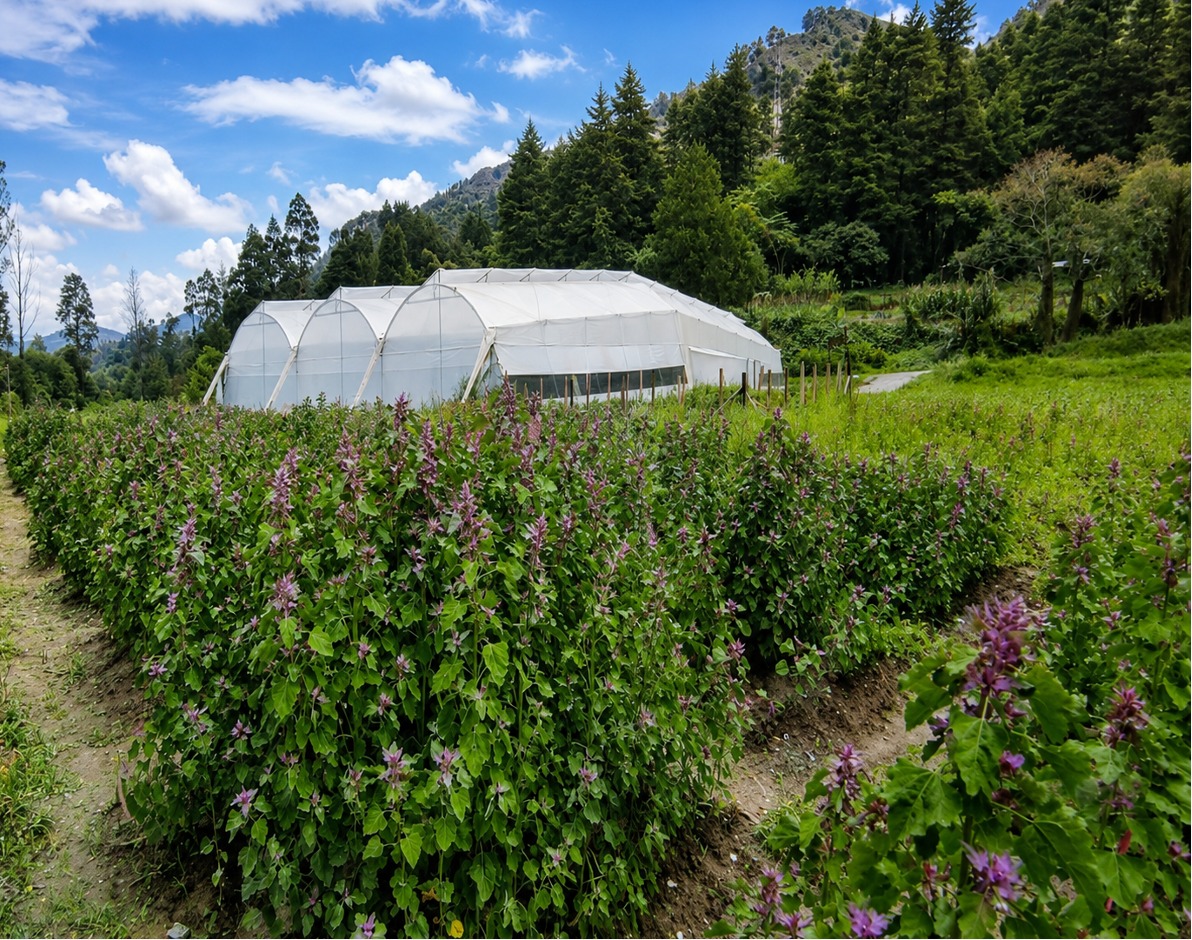
Results achieved in the sustainable management of quinoa





 Agronomic Practices










 Impact
 Initiatives
 Dashboard
 Alliances
 Impact
 Initiatives
 Dashboard
 Alliances